
 Community photo
Real setups / 01
“It supports floral notes and really smooths over the aftertaste very well.”
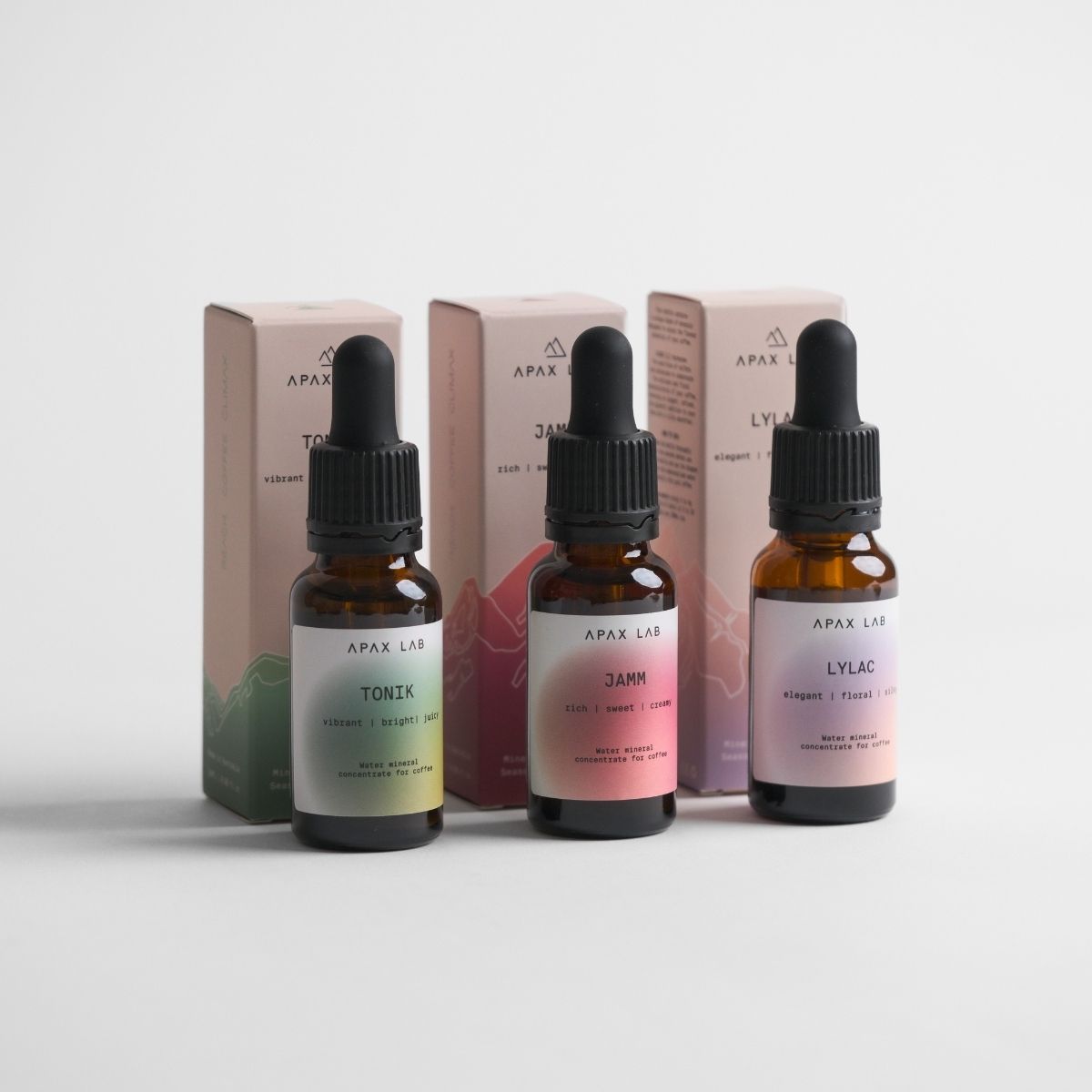
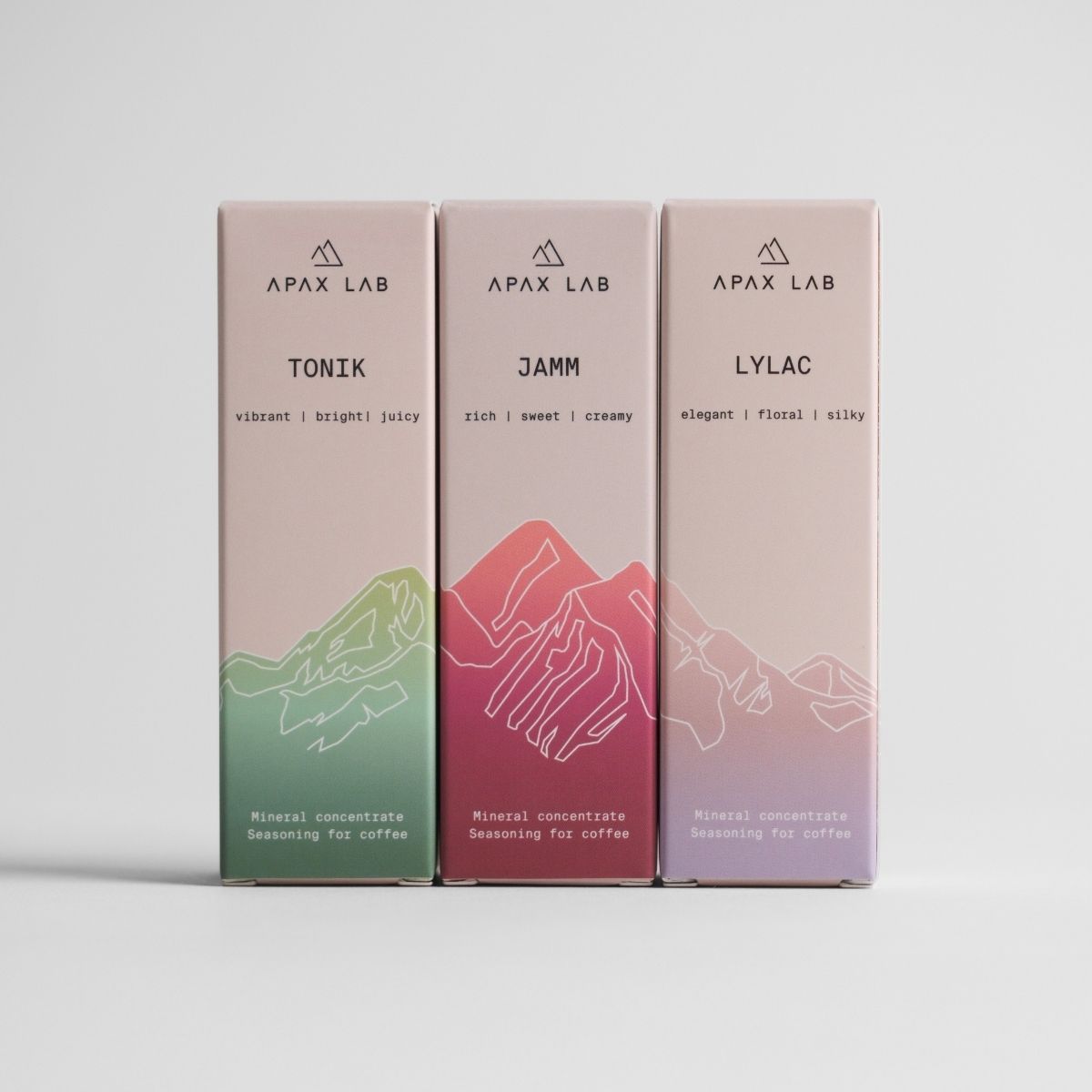
Apax Lab is a three-part mineral system developed to help you extract the full potential of your coffee: clarity, sweetness, and vibrancy. Whether you’re chasing florals, juicy fruit, or syrupy body, your brew water plays a bigger role than you think. Each blend, TONIK, JAMM, and LYLAC is designed to amplify specific attributes in your cup, without adding any off-flavors or aftertaste. Just clean, controlled water chemistry. Trusted by baristas, brewers and competitors globally.
You're Not Adding Flavour - You're Unlocking It
Apax Lab drops don’t contain flavourings or additives- just minerals that already exist naturally in water. These minerals interact with acids, sugars, and aromatics in your coffee, helping you taste what’s already there more clearly. By adjusting the water, you shape how flavours are extracted and perceived - without changing the coffee itself.
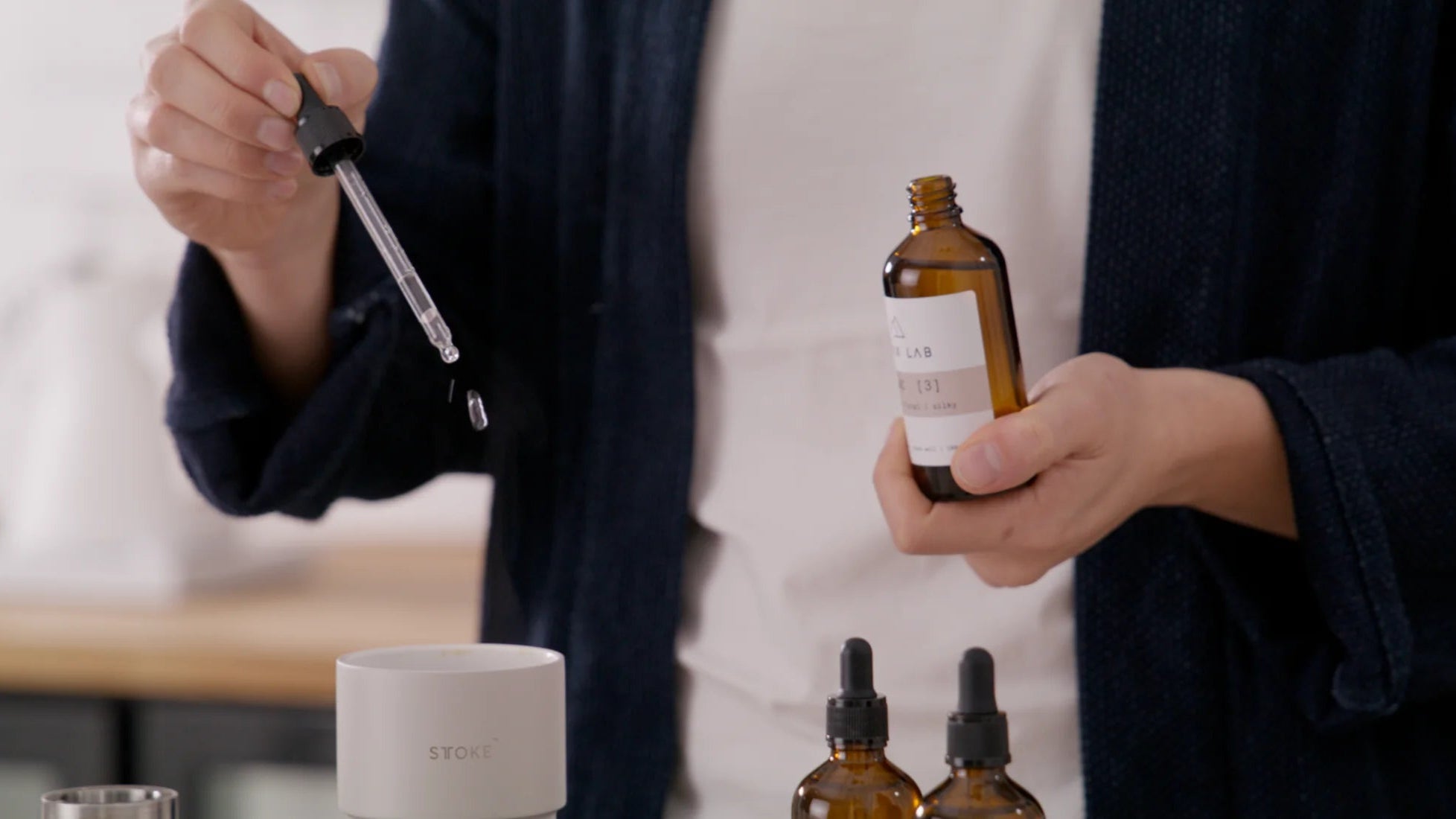
Dial in your brew water from scratch, or tweak the final cup - the choice is always yours.
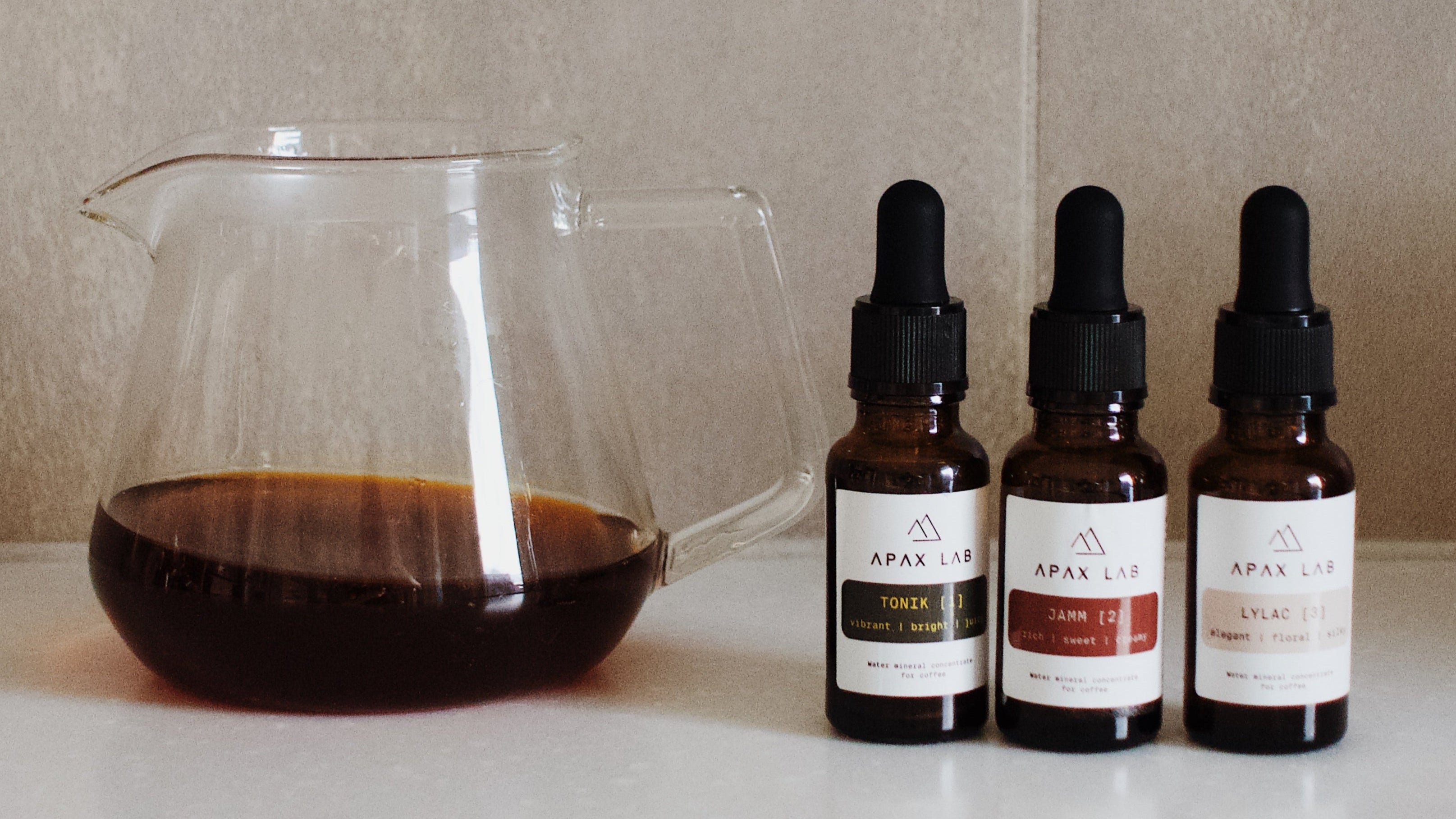
Elevate coffee brewing with precision-engineered mineral concentrates from Apax Lab. Designed for world-level competition, yet intuitively simple for everyday use

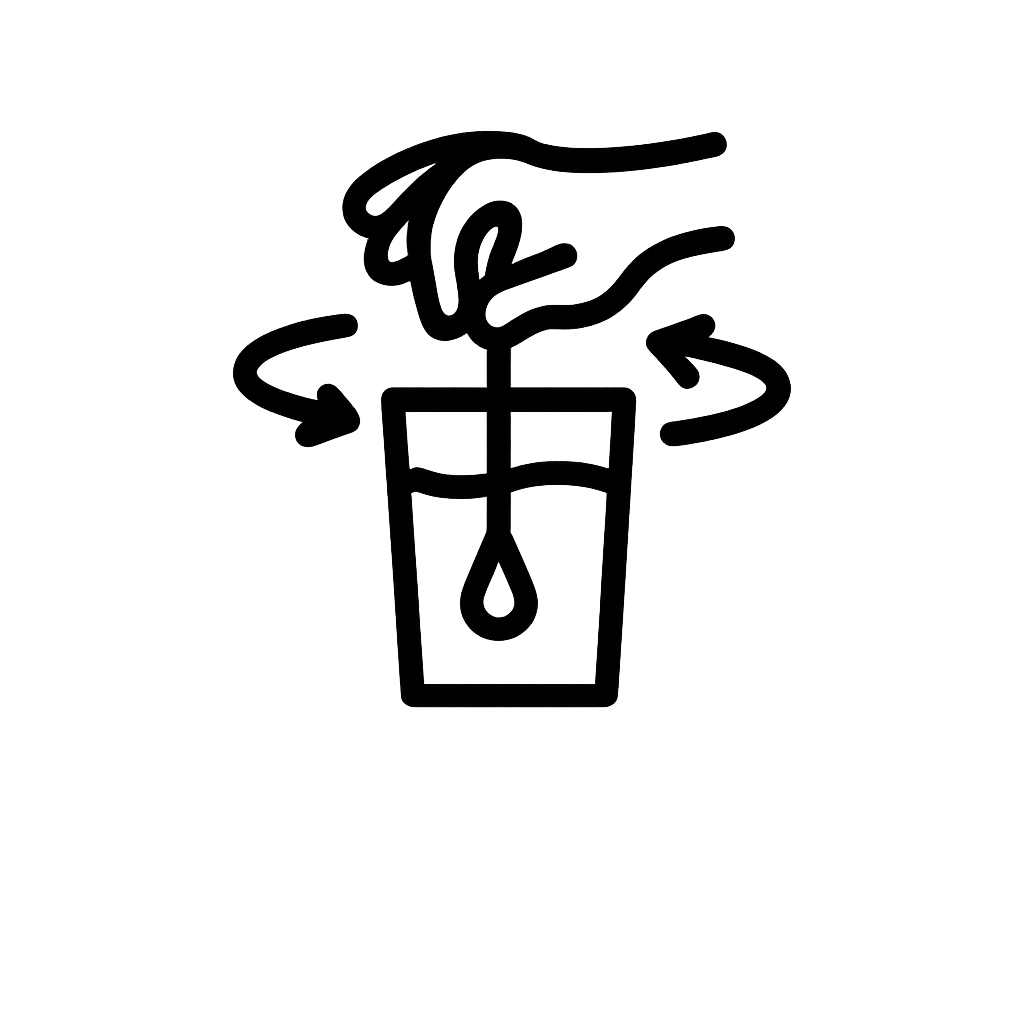
Add 1–3 drops to adjust clarity, balance, or sweetness - right in the cup. No special water required, just better flavour control when you need it.
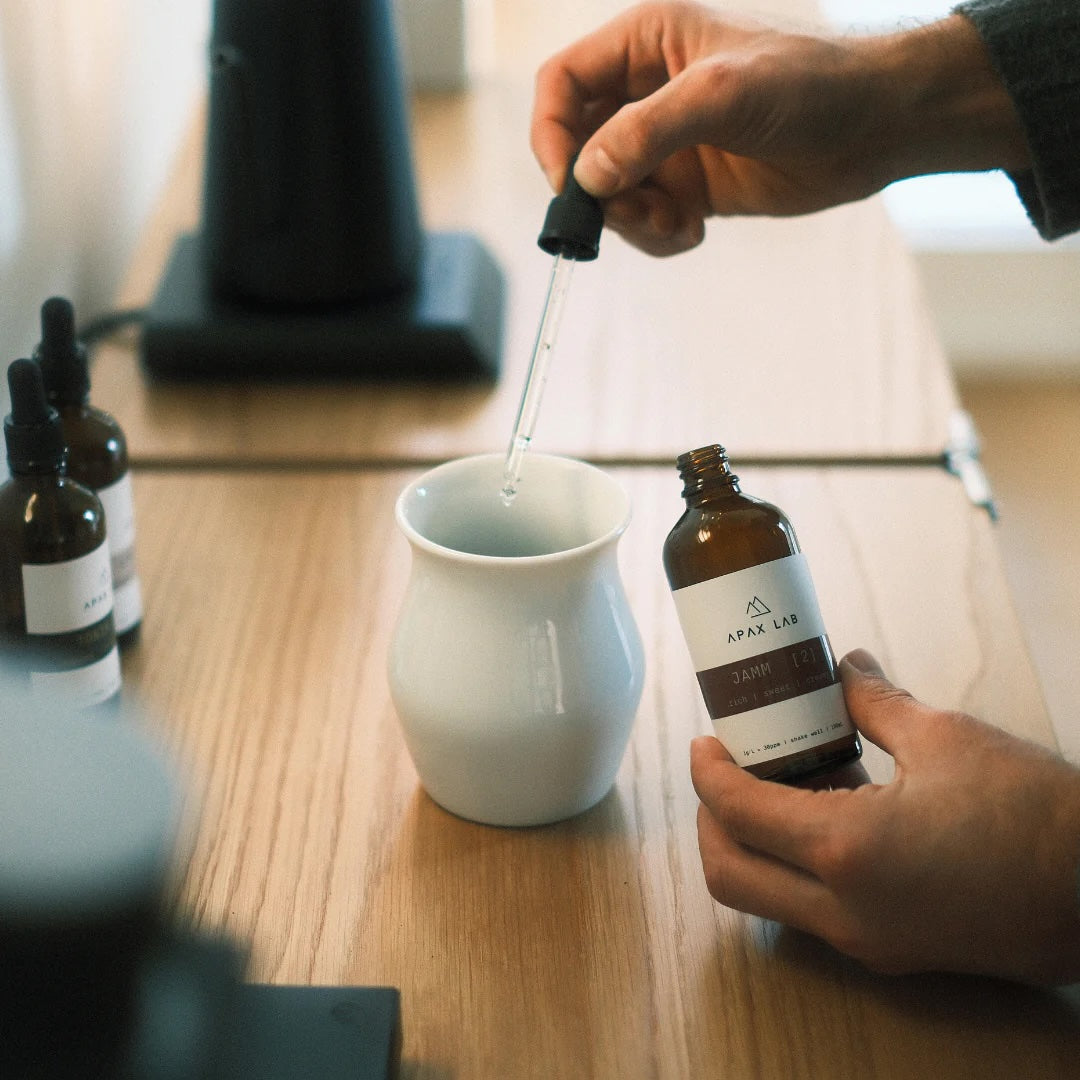
Apax Lab helps you unlock your coffee’s true flavour potential, whether you're chasing more sweetness, a longer aftertaste, or brighter acidity in the cup. Each formula lets you fine-tune your brew water to match the coffee you're working with, or adjust a brew retroactively when it doesn’t hit just right. It’s the most intuitive, flexible way to optimise coffee water - and it’s what we use daily behind the bar at Nordic Brew Lab to tailor our water to each brew. Learn more about how water affects your coffee here.
Apax Lab helps you unlock your coffee’s true flavour potential, whether you're chasing more sweetness, a longer aftertaste, or brighter acidity in the cup. Each formula lets you fine-tune your brew water to match the coffee you're working with, or adjust a brew retroactively when it doesn’t hit just right. It’s the most intuitive, flexible way to optimise coffee water - and it’s what we use daily behind the bar at Nordic Brew Lab to tailor our water to each brew. Learn more about how water affects your coffee here.

No need to guess or do math. Use our simple calculator to build the ideal Apax Lab recipe based on your water volume, whether you're brewing a single cup or prepping a liter.
Open CalculatorHow Minerals Shape Flavour
Coffee is mostly water, and water is so much more
It’s the minerals in water that shape how your coffee extracts, tastes, and feels. Magnesium sharpens acidity and brings clarity. Calcium gives structure, supporting body and mouthfeel. Sodium rounds out harsh edges and brings balance to the cup. When these minerals are in the right proportions, they work together to unlock your coffee’s full potential, from delicate florals to juicy sweetness. Apax Lab blends are precision-formulated to fine-tune this balance, giving you more control, more consistency, and more flavour - every single time you brew.
Julijan
Australian Brewers Cup Champion 2024
''Having worked 15 years in the specialty coffee industry, I’ve finally found a water mineral product that actually makes coffee taste better, is easy to use and is intuitive. Each base recipe is already golden.''
Anders
Home Brewer
''Being able to transform the profile of your coffee post-brew is a game changer! Acidity a little muted? Add a few dashes of Tonik [1]. Lacking body? Drop in the Jamm [2]! These elixirs are to a barista what a spice rack is to a chef.''
- Anders
Real people. Real coffee.
Champions and shop managers on how they actually dial it in, at the bar, in competition, and at home.
Community photoReal setups / 01
“It supports floral notes and really smooths over the aftertaste very well.”
 Community photo
Real setups / 02
“My favourite mineral was Jamm, just to make every coffee sweeter.”
 Community photo
Real setups / 03
“I use the Apax Lab drops to remineralize the distilled water I brew both coffee and tea with.”
 Community photo
Real setups / 04
“I've been looking for coffees with that syrupy mouthfeel for ages, and Konflux helps push that a bit more.”
Real setups / 05
“I personally like the control to adjust every parameter, but for some that may only add confusion.”
Iohan runs the bar at April Coffee, where the team brews with their own custom Apax formulation built together with Simon and Apax. He's carried it into competition too, using it in the Brewers Cup for the past two years, and uses it at home as well.
Of the four base profiles, Lylac is the one he reaches for most. It supports floral notes and smooths over the aftertaste, he says, and it's part of why he's excited about the tweaked April Apax formulation coming next, which he calls the most transparent profile he's tried.
He's honest about the trade-off with water minerals more broadly too. Apax gives him significant freedom to control a coffee's final expression more intuitively, but he's seen that freedom misused elsewhere, when the final profile ends up decided more by the water than the coffee itself.
His sharpest tip is about what to avoid, not what to use. He steers clear of demineralized or 0 ppm water when he can, having found it less stable and more variable than expected, often tasting flat or dry regardless of the final mineral concentration. He gets more consistent results starting from very low-ppm mineral water or RO instead.
I currently work with coffee as Manager of April Coffee.
I use Apax Lab in the bar (our own formulation made in collaboration with Simon and Apax!), competitions and at home! I have used it the last two years in the Brewers Cup.
In the store we predominantly post-brew using an RO system from BWT (ROC16), as it offers flexibility for small fluctuations in water.
I think water minerals are an amazing tool for brewing because they allow for flexibility, especially when the base water is unfavourable. Apax especially offers significant freedom to control the coffee's final expression more intuitively. However, they can sometimes be misused. Often, the final profile feels decided majorly by the water composition, which I'm not always a huge fan of.
My favourite mineral is our coming tweaked version of the April Apax, which I think offers the most transparent profile I have tried! Of the four base profiles I tend to use Lylac a lot because it supports floral notes and really smooths over the aftertaste very well.
I don't think there is a particular kind of coffee that necessarily favours Apax; it's more about matching coffee profiles to the water, or the other way around.
I tend to avoid using Apax with demineralized, or 0 ppm water when possible, and more frequently add it to very low ppm mineral water, or RO water. I think water produced at 0 ppm, or demineralized water, tends to be less stable, and have more variability than I had assumed. It often tastes flat or dry regardless of the final mineral concentration. I have had some luck with a closed 0ppm filter made for dental use, but I’m unsure why it seems to provide better results for me.
Sten splits his time between studying full time and working as a barista at Gringo and Kaffelabbet. Competition is where Apax gets the most use. In competition the water needs to be spot on and replicable, he says, brewing pre-brew water there while saving post-brew drops for dialing in flavor at home.
His favorites have shifted over time. Jamm was his early go-to, just to make every coffee sweeter, but since Konflux came out he's reached for it constantly to harmonize a coffee's flavors instead.
He doesn't think any one coffee favors Apax over another, as long as the mineral water itself is dialed in, though he especially likes using it with heavily processed coffees to push their character even further.
50/50, I'm currently studying full time and working as a barista during my spare time at Gringo and Kaffelabbet.
Yes, I mainly use Apax Lab in competition, mostly because in competition the water needs to be spot on and replicable. While I play around with Apax Lab at home, I don't use it as often compared to in comp (Brewers Cup).
In competition it's mainly pre-brew, while at home it's post-brew, just to tweak the flavors to my preference.
Apax is really easy to use, making mineralizing water much easier than making everything from the ground up.
At first, my favorite mineral was Jamm, just to make every coffee sweeter, hahaha. But since the release of Konflux, I've been using it all the time to harmonize the coffee's flavours, which I've been really enjoying.
Not really, I would say that all coffee could work with Apax Lab's minerals as long as the mineral water is dialed in. But with that, I really enjoy using the mineral with heavily processed coffee, just to pop the coffee even more.
In general, stay curious and experiment in a systematic way, that's how you build up a better knowledge of the minerals. Pro tip: if you have a new coffee and you don't know which bottle to use, brew the coffee with zeroed water, split the coffee into four cups, and add each mineral to a different cup just to see which one suits the coffee best.
Zsombor brews from Hungary, using Apax Lab drops to remineralize the distilled water he brews both coffee and tea with. His usual ratio is 3g per liter, and Tonik and Konflux are the two he reaches for most.
His setup: a V60 and an April brewer, both fitted with switches, a Pietro Vertical grinder, and a Kaffebox.no subscription that brings him a fresh kilo of coffee every month.
Brewers: V60 and April brewer, both with switches. Grinder: Pietro Vertical. Coffee: a Kaffebox.no subscription, 1kg every month.
Praveen has been using Apax Lab for about a year, for both water recipes and post-brew seasoning, and says the quality of his brews has improved drastically since. Konflux is the one he keeps coming back to, he’d been looking for coffees with a syrupy mouthfeel for ages, and it helps push that a bit further.
Nikolaos built his own water recipe from the ground up, starting with his municipality's published water readings. He runs his tap water through a ZeroWater filter to bring it down to around 30 ppm, then blends a little tap water back in with LYLAC until it reaches about 50 ppm, giving him a controlled baseline for his espresso machine.
Since he mainly pulls espresso, he keeps the mineral concentration in the tank fairly low to limit scale buildup, without going so low that it risks corrosion. After brewing, he adds one drop each of JAMM and KONFLUX directly to the cup to adjust the flavor and mouthfeel.
He worked out his exact concentrations by combining his municipality's water data with information from online articles, then used ChatGPT to turn it into a practical step-by-step process. He's genuinely happy with the results, control being the whole point for him, even if he acknowledges it adds a layer of calibration that could confuse someone who just wants a simpler process.
Filter tap water through a ZeroWater filter down to roughly 30 ppm, blend a little tap water back in with LYLAC to about 50 ppm as a baseline. Keep the espresso machine’s tank concentration low enough to limit scale, not so low it risks corrosion. After brewing, add one drop each of JAMM and KONFLUX to the cup.
 Included in the Box Set
What it does:
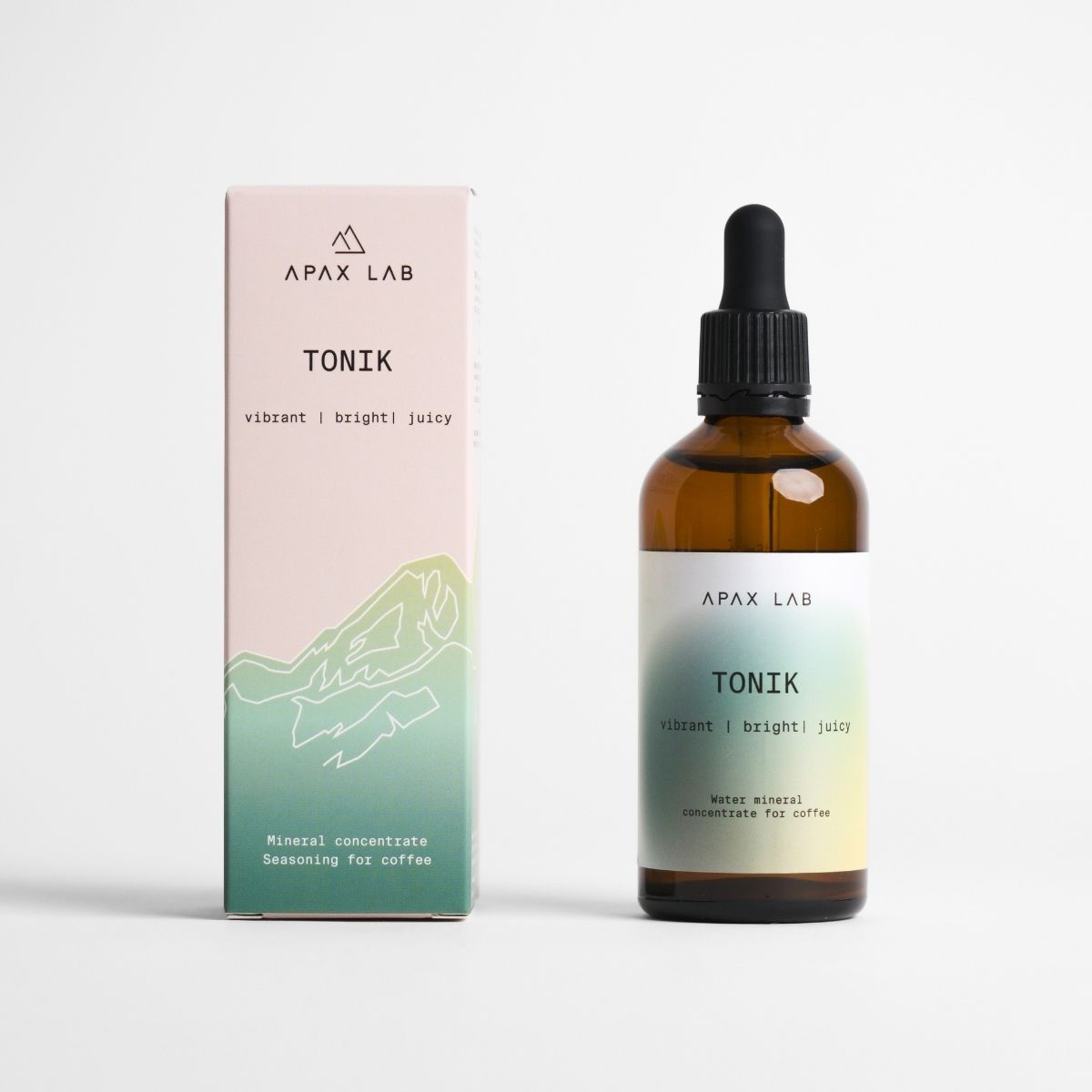
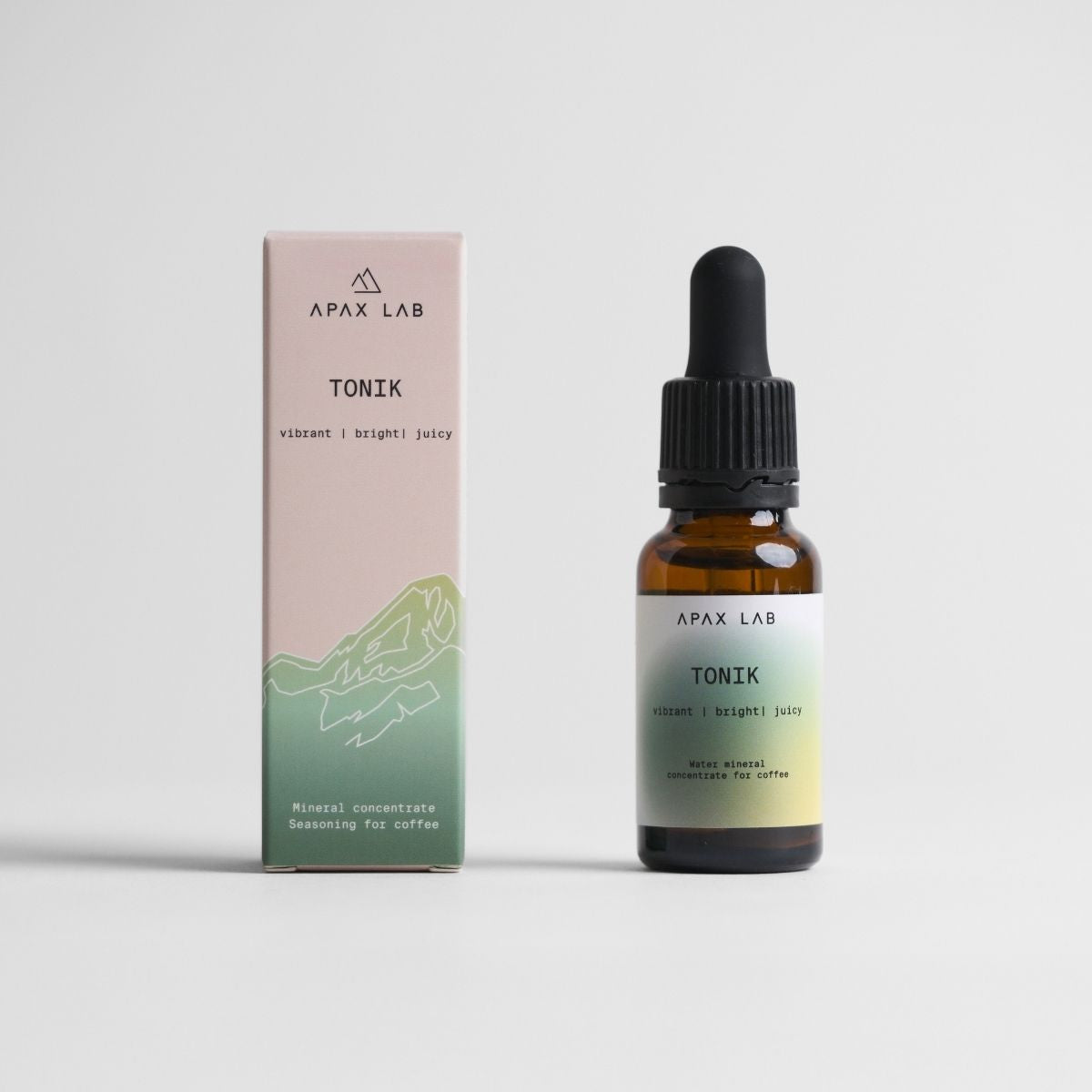
Amplifies acidity and clarity while adding a bright, juicy structure to the cup.
When to use it:
- Coffee tastes flat or lacks brightness
- Acidity feels muted
- The finish feels short or dull
Best suited coffees:
- Washed Ethiopian coffees
- Kenyan SL28/SL34 varieties
- High-grown Central American coffees
 Included in the Box Set
What it does:
Adds sweetness, body and creaminess while making the cup feel richer and more satisfying.
When to use it:
- The brew feels thin
- Acidity or bitterness dominates
- The coffee lacks sweetness or texture
Best suited coffees:
- Brazilian or Colombian coffees
- Natural or anaerobic coffees
- Fruit-forward coffees with jammy notes
 Included in the Box Set
What it does:
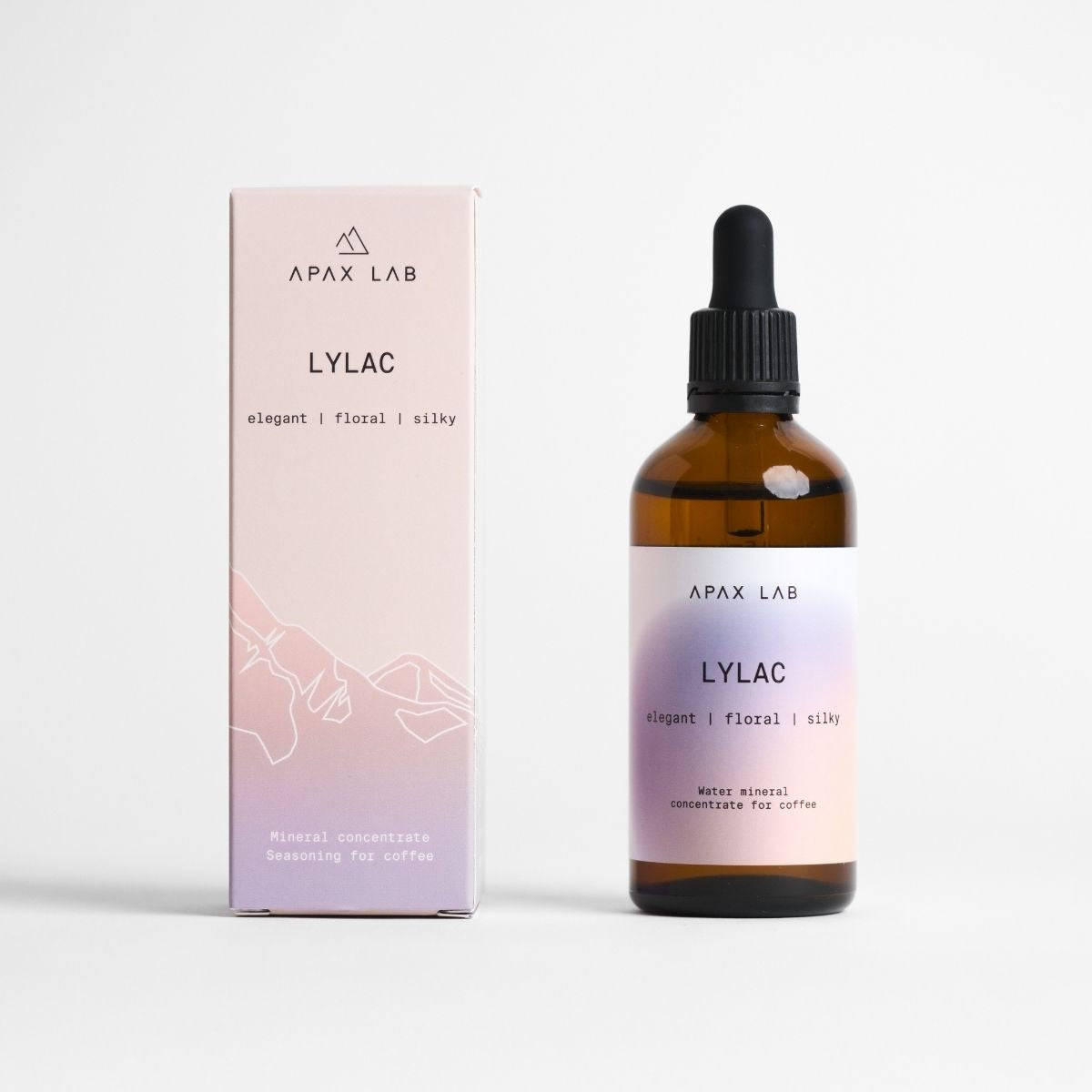
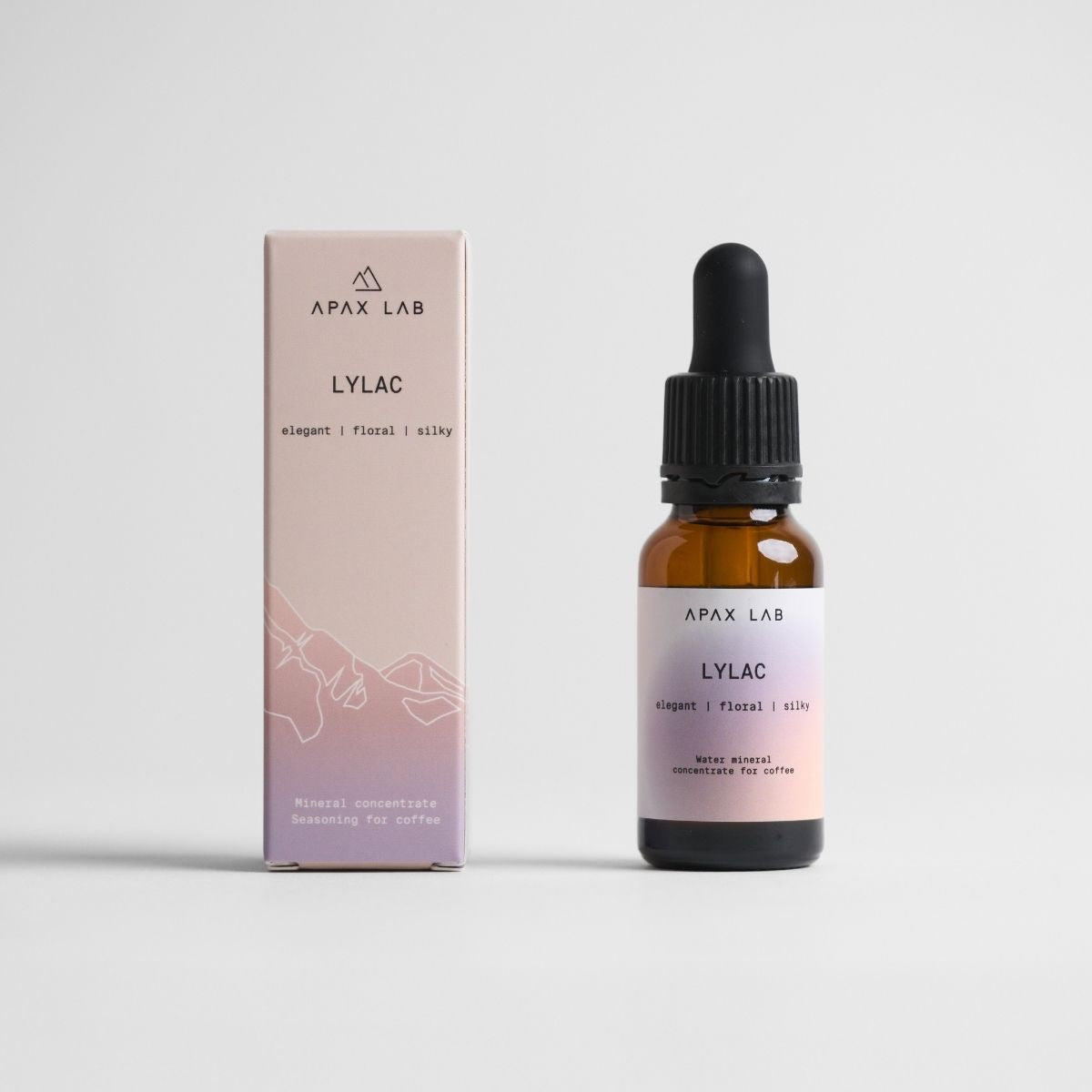
Enhances floral aromatics and creates a silky, tea-like mouthfeel.
When to use it:
- Floral notes are difficult to find
- The finish feels harsh or drying
- You want a more elegant, refined cup
Best suited coffees:
- Gesha and Ethiopian heirloom varieties
- Coffees with jasmine, bergamot or rose notes
- Light-roasted, high-elevation coffees
 Winner of SCA Best New Product 2026
What it does:
Brings the cup together by enhancing body, sweetness and balance, creating a smoother, more complete drinking experience.
When to use it:
- Coffee tastes good but feels thin or flat
- Flavours feel clear but disconnected
- The finish lacks depth or balance
Best suited coffees:
- Washed coffees that need more texture
- Natural or anaerobic coffees that need more balance
- Bold, expressive coffees that need a smoother finish
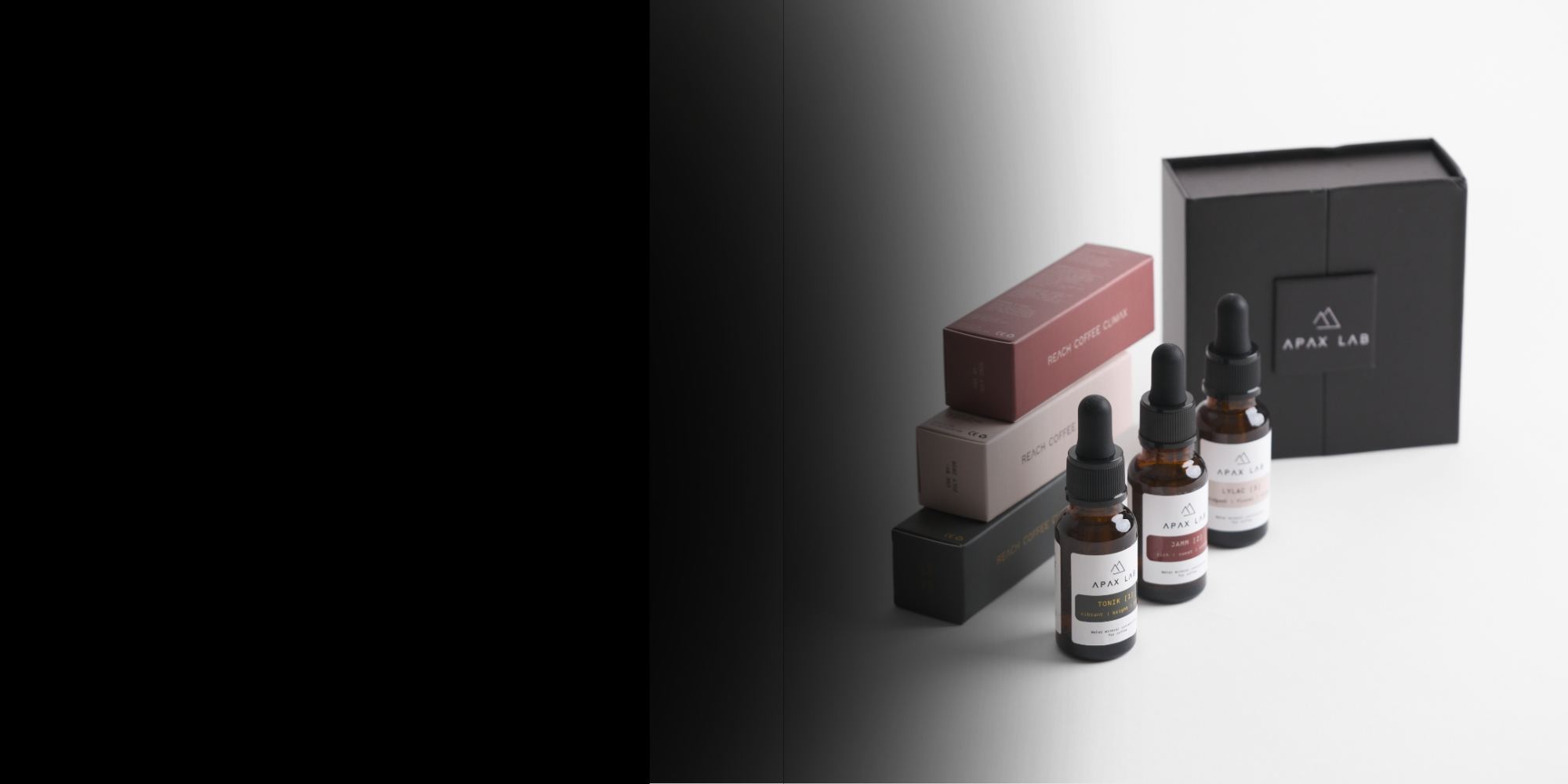
Not sure which mineral blend to choose?
Yes you can! We recommend using 2-3 drops maximum, but the softer your brew water is from the beginning, the more room there's to add Apax Lab minerals post-brew.
Apax Lab is a set of mineral blends designed to improve how your coffee tastes. Each formula helps unlock different aspects of flavor, like clarity, sweetness, or florality ,by adjusting the water you brew with.
* Apax Lab is not flavouring, each blend is a composition of minerals that naturally exist in water.
A cup of filter coffee consists of more than 98,5% water. The mineral-composition of the water that was used to brew the coffee has a vital impact on the final taste of the coffee - Apax Lab is a mix of pre-blended mineral-compositions that help to achieve a balanced brew by affecting the hardness, alkalinity and mineral-composition of your coffee.
Learn more about why brew water is so important here
Composition: water, magnesium sulfate, magnesium chloride, potassium chloride, potassium bicarbonate, sodium bicarbonate, sodium chloride.
LYLAC [3] harnesses the qualities of sulfate and potassium to underscore the delicate and floral characteristics of your coffee, ensuring an elegant, refined, and graceful addition to your brew with a silky mouthfeel.
Taste profile: elegant | floral | silky.
Composition: water, magnesium chloride, calcium chloride, potassium chloride, potassium bicarbonate, sodium bicarbonate.
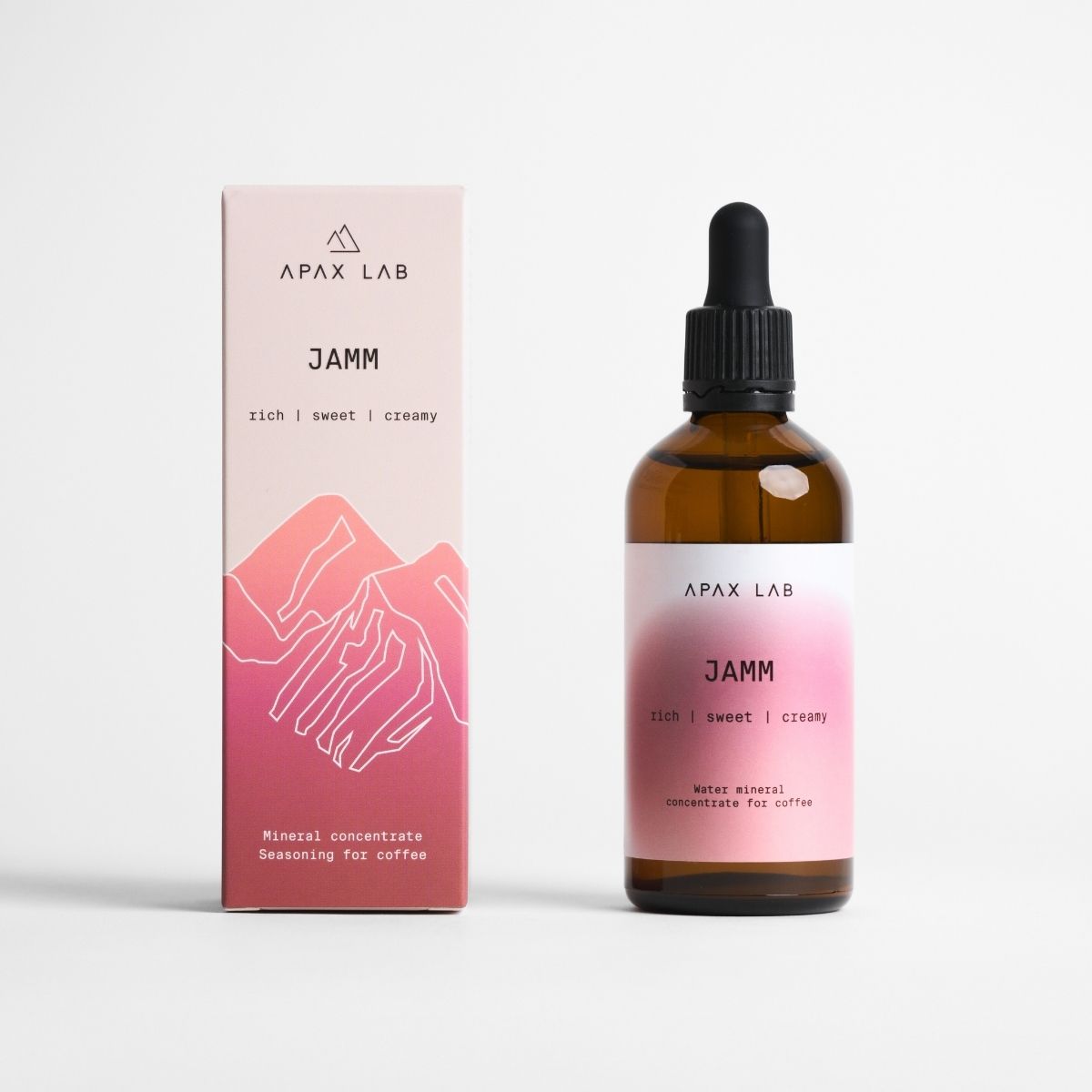
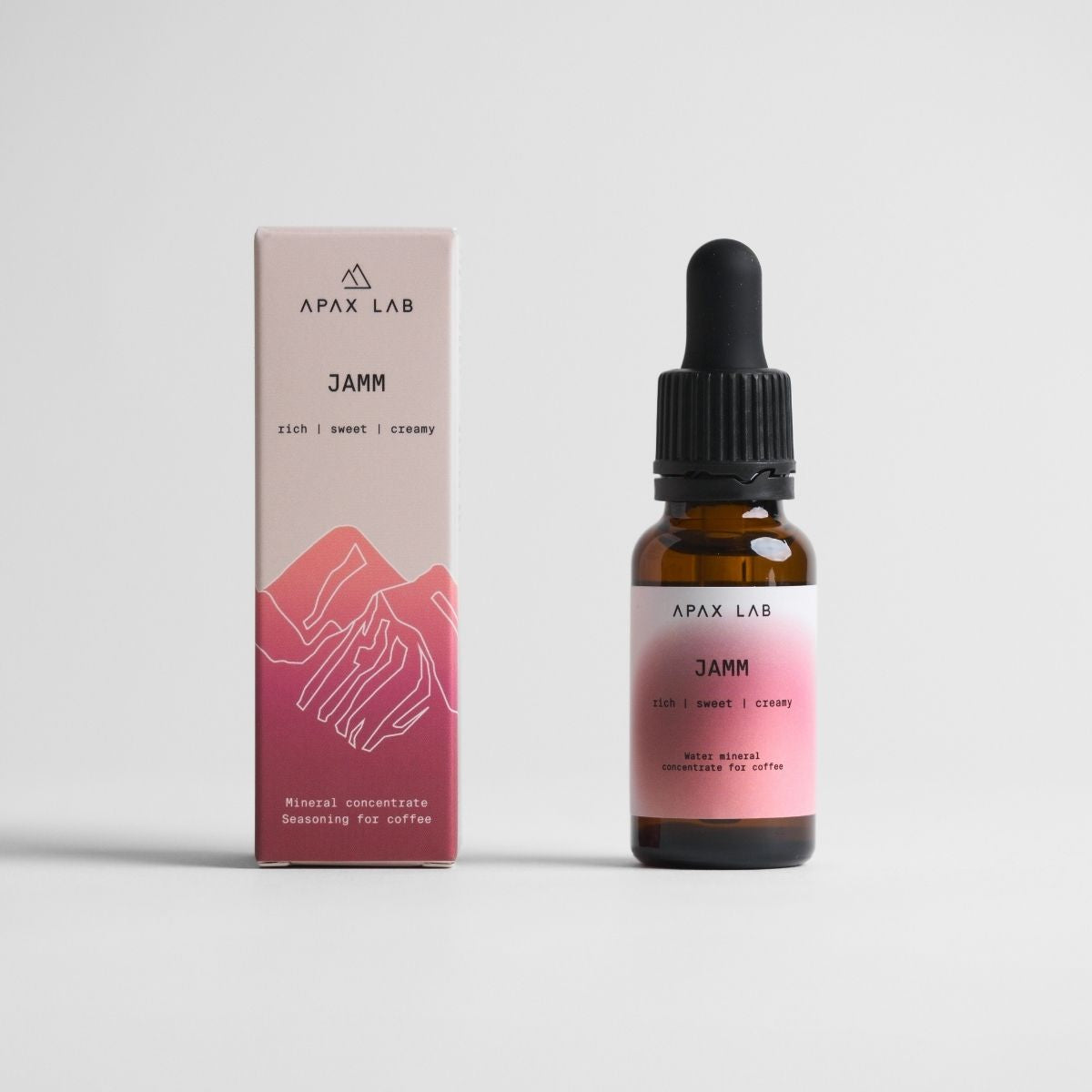
JAMM [2] magnifies the role of calcium and bicarbonate. It has been formulated to enhance the richness and depth of your coffee and will accentuate the lingering sweetness and creamy mouthfeel of your brew.
Taste profile: rich | sweet | creamy.
Composition: water, magnesium chloride, calcium chloride, sodium chloride, sodium bicarbonate, potassium bicarbonate.
TONIK [1] has been formulated to enhance the vibrant acidity of your coffee and will impart a crisp, intense and juicy kick to your brew.
Taste profile: vibrant | bright | juicy.
Works well to enhance the character of washed coffees.
You don't need to use distilled or RO-water to use Apax Lab, you can add a few drops to your standard brew-water, or directly into your brewed coffee and notice a significant improvement. However, to reach the highest potential of your coffee, we recommend using distilled or RO-water, as it will give you full control of the mineral composition.
Regular tap water, bottled water and spring water already have lots of minerals dissolved in them, which gives less room for the Apax drops to have effect, as you risk increasing the hardness of your brew water if you add too much Apax minerals.
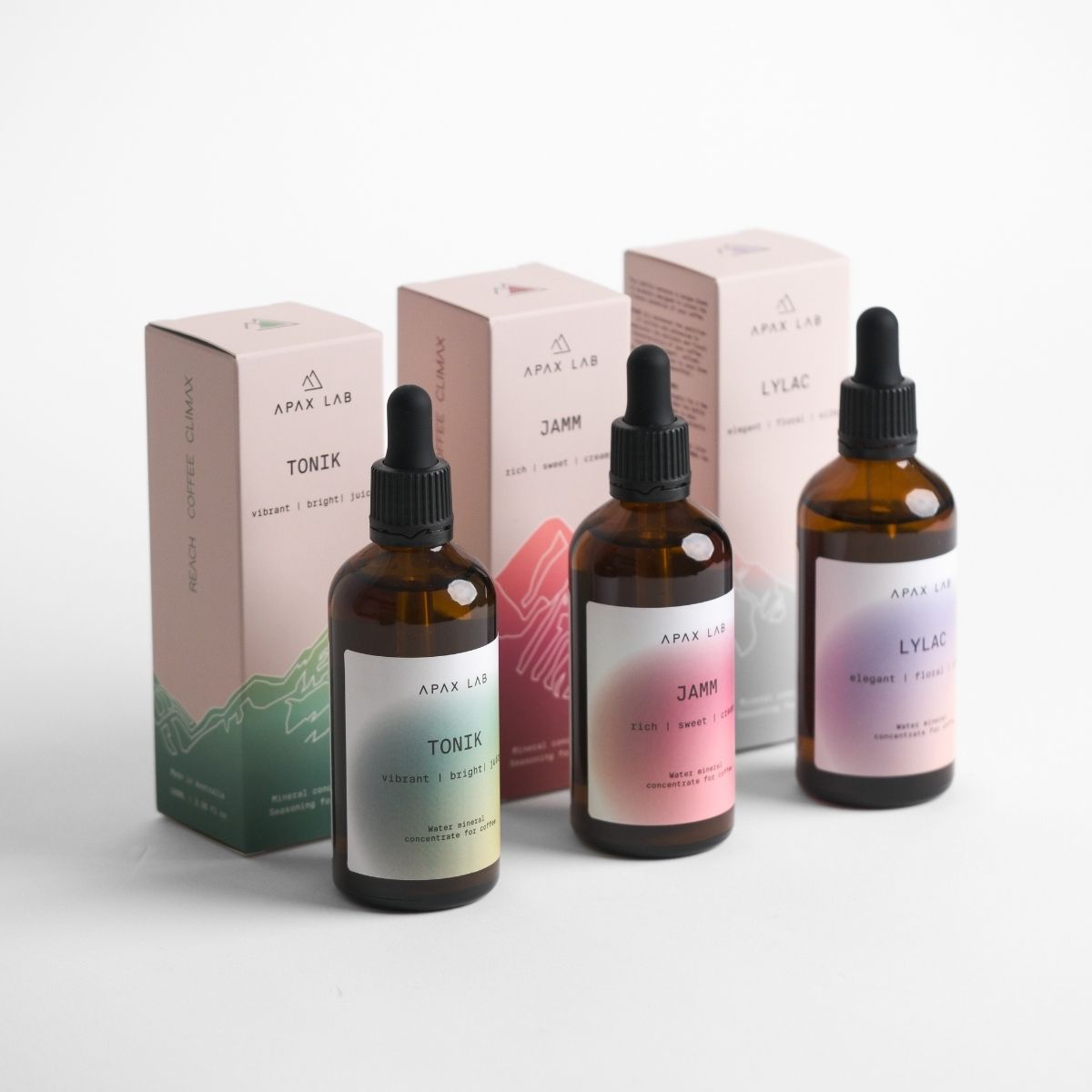
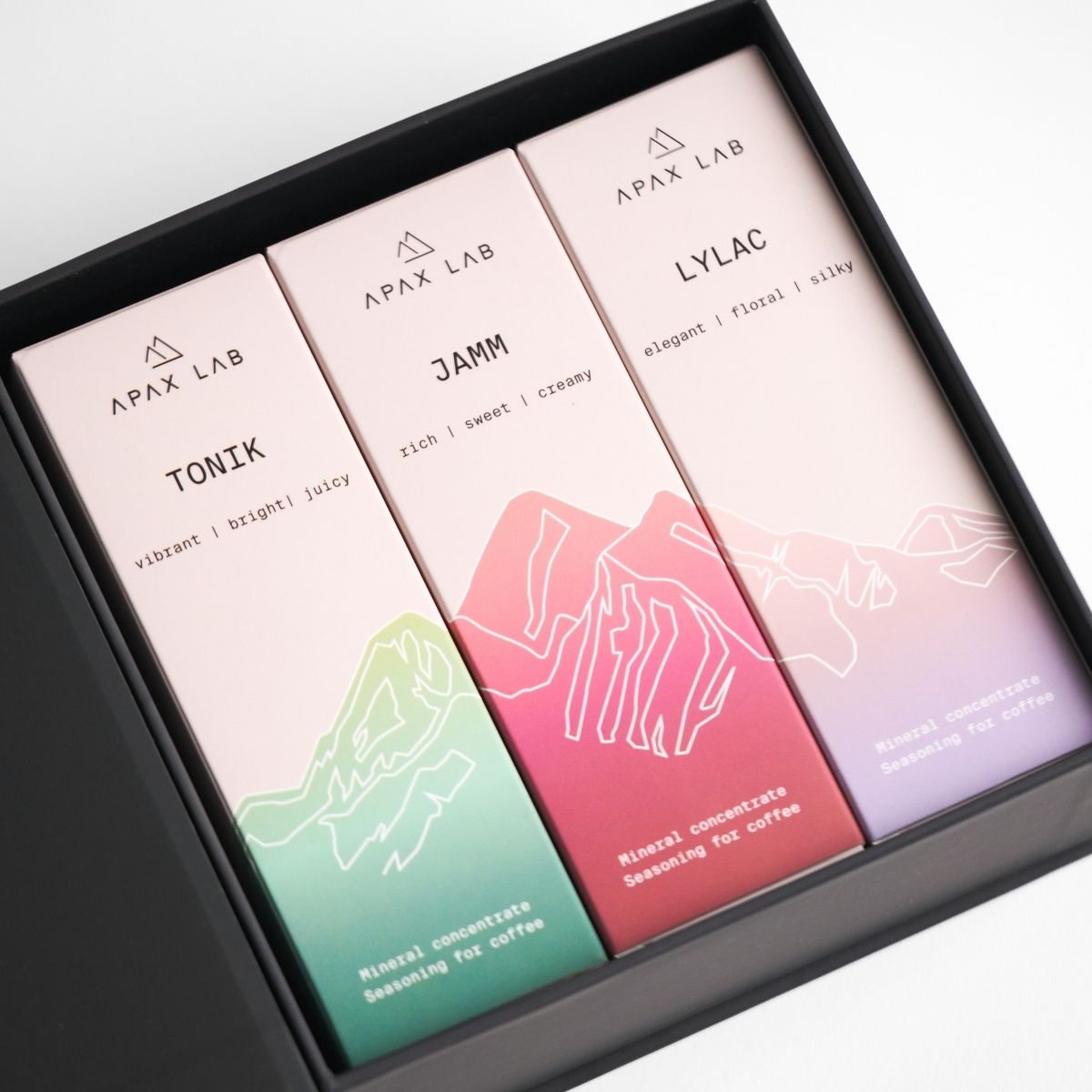
Each Apax blend is designed to enhance different characteristics of your coffee:
Not sure which one to try? Try the Nano Set
If you make brew-water form scratch using distilled or RO-water, we recommend using between 50-60 drops/L, or 4g/L of water. The Apax Calculator makes it easy to craft your own brew water.
If you're adding Apax Lab into your brewed coffee, we recommend 2-3 drops per 200ml brew.
Yes - we recommend using at least 2 different Apax Blends when making your own water, as it the minerals working together creates a more balanced and natural flavour perception, while using only one mineral-blend can make the coffee taste unbalanced and one-dimensional.
At Nordic Brew Lab, we use Apax Lab for all filter-coffee that we serve behind bar, by crafting our own, custom-made brew water using RO-water as a base.
For our ''Rare and Exclusive'' menus, we custom-make the brew water for each individual coffee, using Apax Lab.
Yes , but only post-brew. Add 2-3 drops of Apax Lab to your espresso and experience how it transforms the flavour experience.
Don't add Apax Lab to your espresso machine, as the mineral blends contain calcium which eventually leads to scaling, causing your equipment to get damaged.