
At Nordic Brew Lab, we work exclusively with light and ultra-light roasted coffee. But what does that actually mean?
As the name suggests, light roast is coffee that's been roasted for a shorter time, at a lower temperature, than medium or dark roast. Compare the beans side by side and the difference is obvious: light roast beans are pale, dry, and slightly smaller. The darker you go, the more the beans expand and eventually turn oily on the surface as the roast pushes further.
But the real difference isn't visual. It's what roast level does to flavor.
Dark roast is the classic, familiar profile: longer roasted, higher temperature, dark in color. It's easy to assume more roasting means more flavor, but it's the opposite. The longer you roast, the more of the coffee's own character you roast away. What's left is mostly the flavor of the roast itself: bold, smoky, sometimes ashy or bordering on burnt. Taste-wise, there's almost no acidity, barely any sweetness, and a lot of bitterness. That's also why dark roast is so often paired with milk, and rarely enjoyed once it cools.
Medium roast lands in between. The beans stay relatively light in color, and the cup carries a bit of acidity alongside noticeable bitterness. It's more expressive than dark roast, but still a compromise between the two.
Light roast sits at the far end of the scale. It has very little body, can even taste tea-like, and stays pale in color. So why roast this way on purpose?
Because a coffee's real flavor doesn't come from the strength or body the roast adds; it comes from the bean itself. Light roasting applies just enough heat to develop the coffee's aromas and flavors without masking them under the taste of the roast.
Here's the clearest way to explain it: take five different beans from five different farms. Roast them all dark, and you'll barely taste a difference between them. Roast them all light, and you'll immediately taste that they're five completely different coffees; distinct acidity, distinct sweetness, distinct character, with almost none of the bitterness a darker roast brings.
That's also why light roast tends to signal quality. Commercial coffee brands rarely roast light, and there's a reason: consistency. Big blends from beans sourced across the world need to taste the same, roast after roast, batch after batch. A dark roast smooths over inconsistency. A light roast has nowhere to hide it. Underripe or defective beans show up immediately in a light roast; there's no roast character left to mask them behind. So when you're drinking a good light roast, you're also drinking proof that the coffee underneath it was good to begin with.
What Actually Happens During Roasting
It helps to understand what roasting is actually doing to the bean.
Green, unroasted coffee beans are hard, dense, and taste and smell nothing like coffee, more like grass or hay. To turn them into what we recognize as coffee, they're heated in a rotating drum, kept constantly in motion under high heat.
The bean moves through several stages: a drying phase, where it loses moisture; a yellowing phase; a browning phase; and then the Maillard phase, where amino acids and sugars break down and recombine into entirely new flavor compounds.
After that comes first crack, the most important moment in roasting. Water vapor and carbon dioxide building up inside the bean cause it to expand and audibly crack, almost like popcorn. At this point the bean is nearly twice the size it was as a green bean.
The time between first crack and the end of the roast is called development, and it's what determines roast level. A longer development produces a darker roast. Light roast coffee is pulled shortly after first crack, with minimal development. Some extreme dark roasts push all the way to a second crack, but that's not a coffee you'll ever find at Nordic Brew Lab.
A typical light roast finishes at an end temperature of around 200-210°C.
Frequently Asked Questions
Is light roast coffee sour?
In coffee, "sour" usually describes something extremely acidic, often the result of incorrect brewing or under-extraction, rather than the roast itself. That said, some naturally bright origins, like Kenyan or Ethiopian coffees, can lean toward sour if you're not used to high acidity. Light roast does carry more acidity than medium or dark roast, but acidity and sourness aren't the same thing.
Does light roast coffee have more caffeine than dark roast?
Not because of the roast level itself. Roasting doesn't break down or remove caffeine. What changes is bean density: the longer a coffee roasts, the more the beans expand and lose weight. So if you brew by weight (say, 18 grams), you're using slightly more individual beans of a dark roast to hit that weight than you would with a light roast, meaning technically a touch more caffeine per dose. In practice, the difference is negligible and not something you'd notice in the cup.
Is light roast coffee weaker than dark roast?
Not in strength. Light roast has noticeably less bitterness, which people often read as "weaker" or more tea-like, but the actual strength of the drink is the same. What's different is the mouthfeel, not the strength.
Does light roast coffee need a different grind size or brew method?
Yes. [Read our full brewing guide here.]
Why do two light roast coffees taste so different from each other?
Because light roasting adds minimal flavor of its own, letting the coffee's origin, soil, and processing shine through instead of being roasted away. A darker roast smooths that difference over. It's not that light roasted coffees are more different from each other, it's that light roasting is what lets you actually taste the difference that was already there.
Is light roast coffee more expensive?
Usually, yes. Most light roast coffee is specialty grade, which is far more labor-intensive to produce than commodity coffee, from picking to sorting to processing. That difference in production puts it in a different price range entirely.
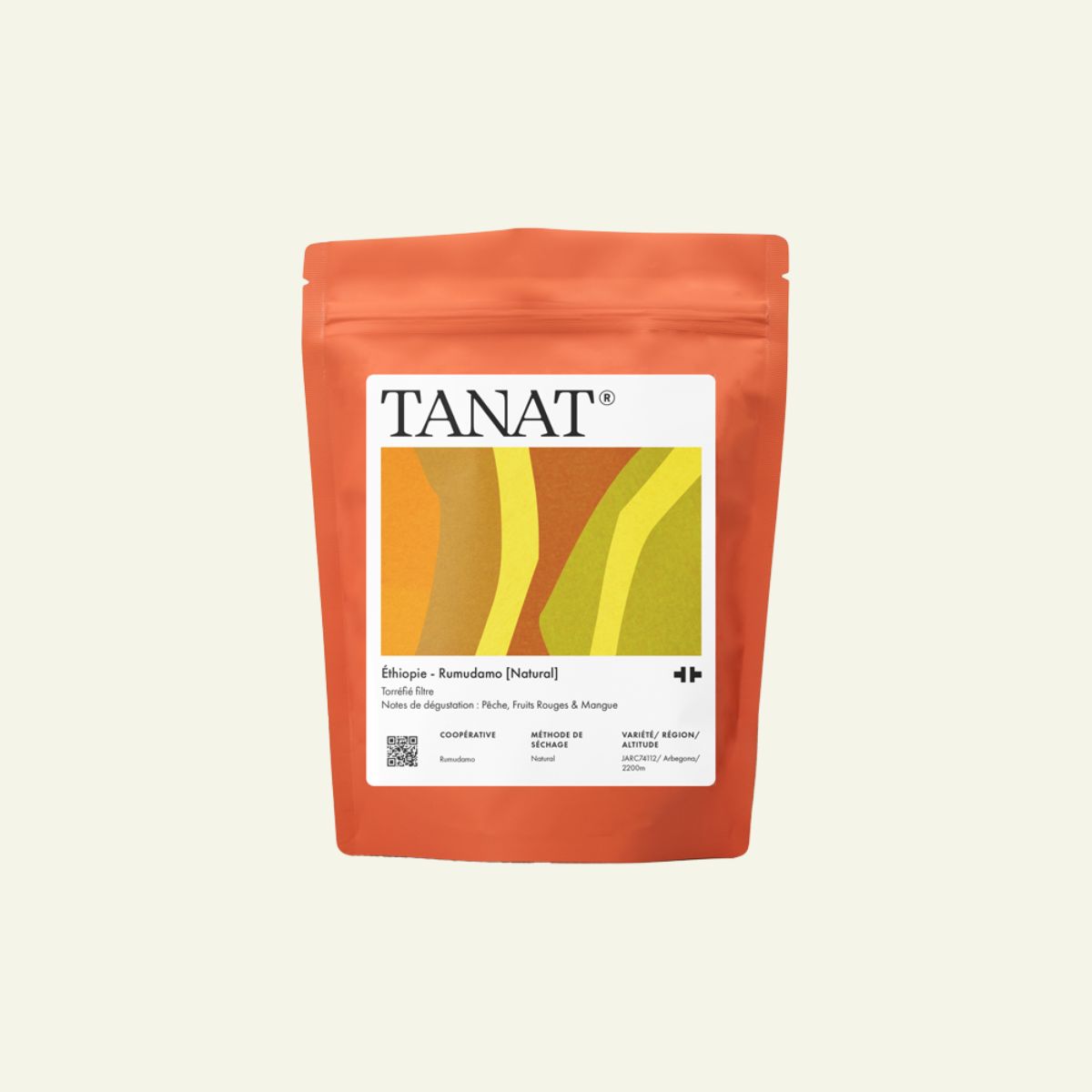
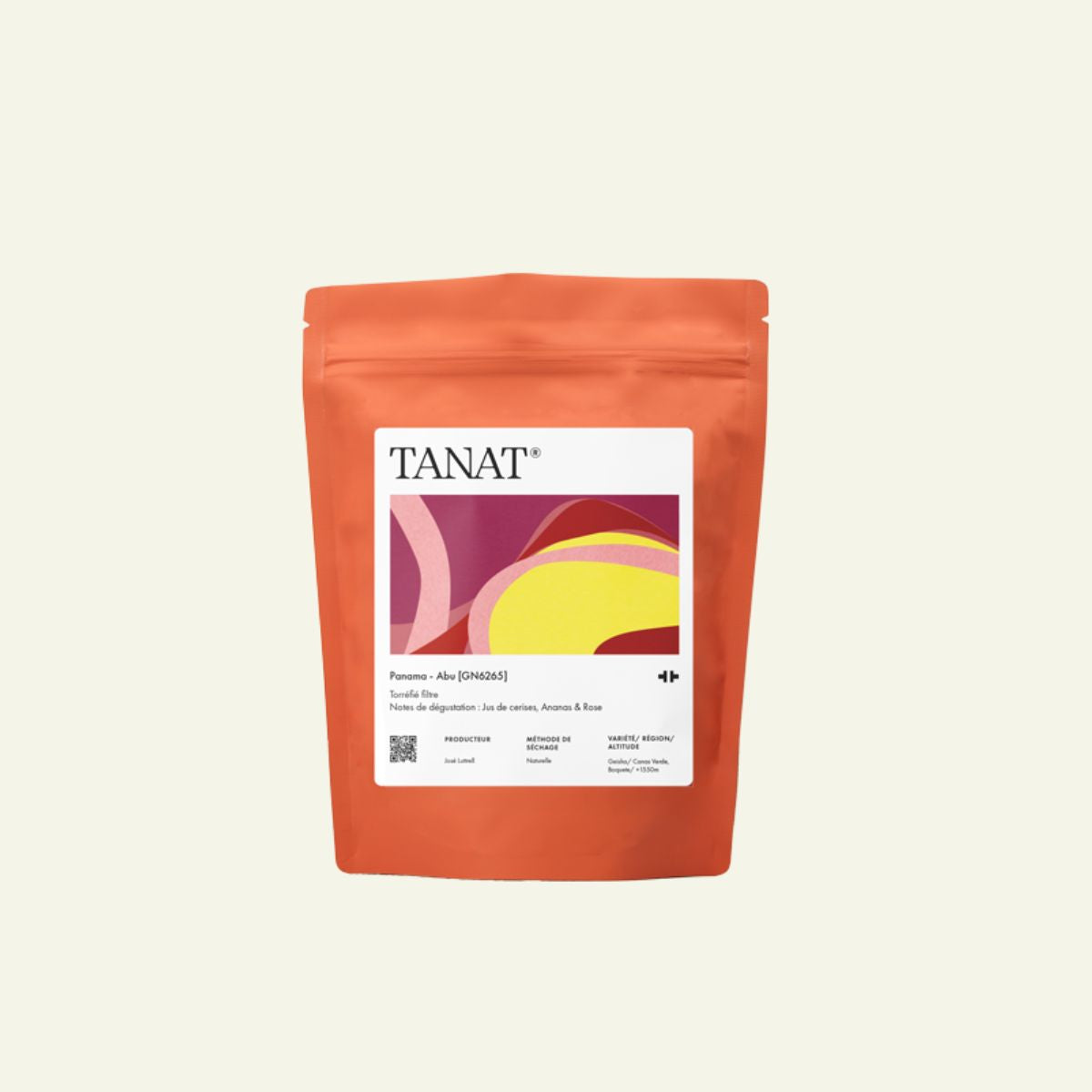
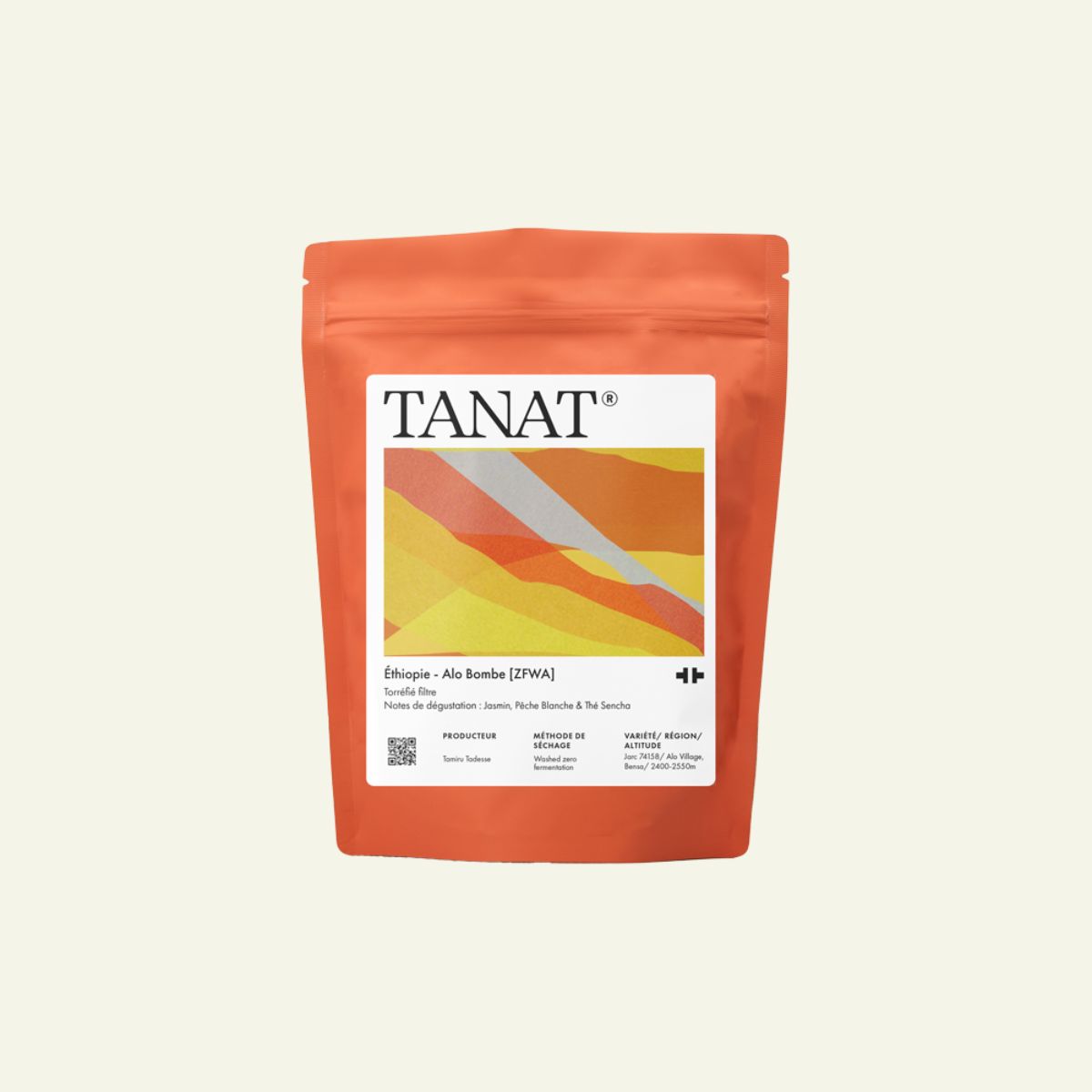
Shop our current light roast selection below.