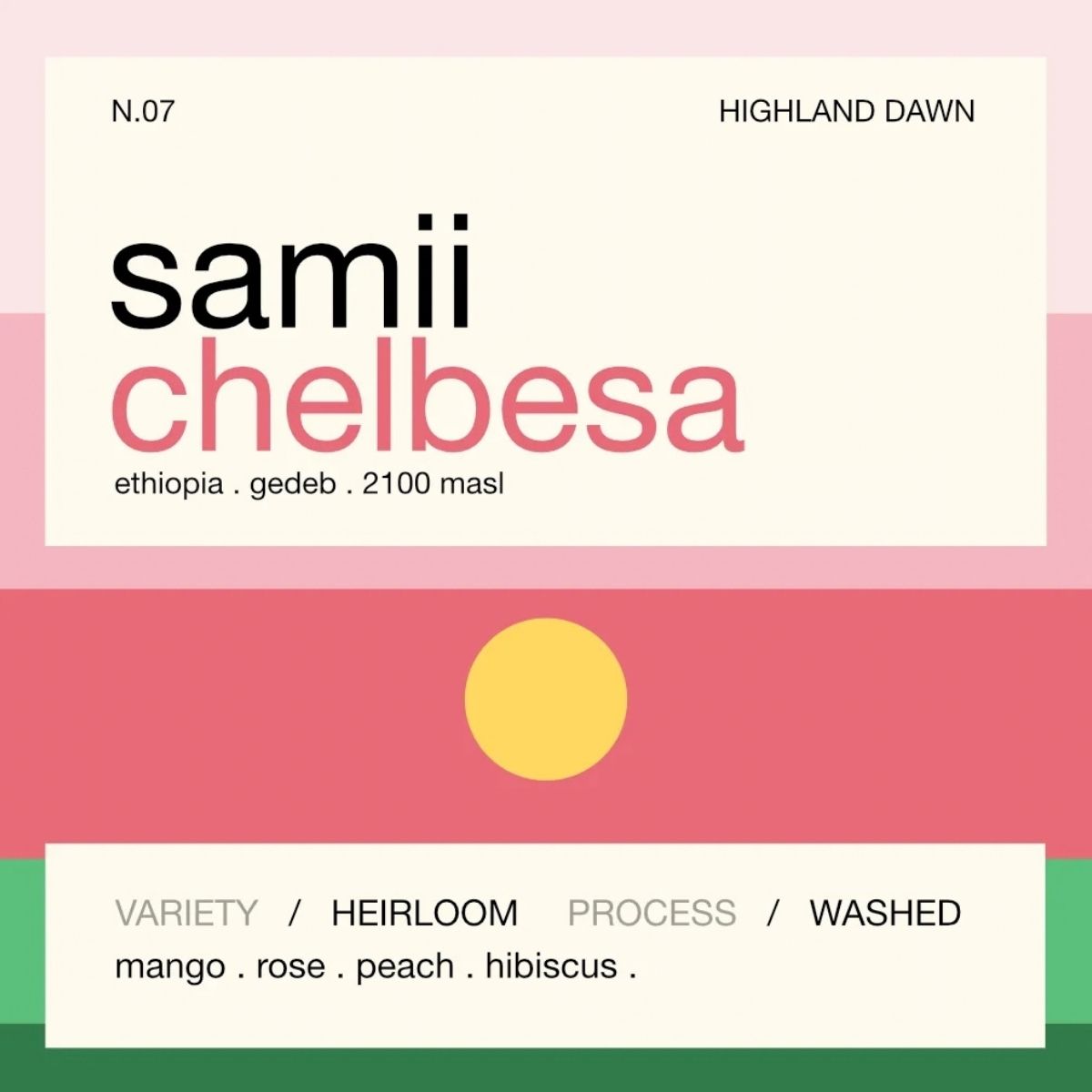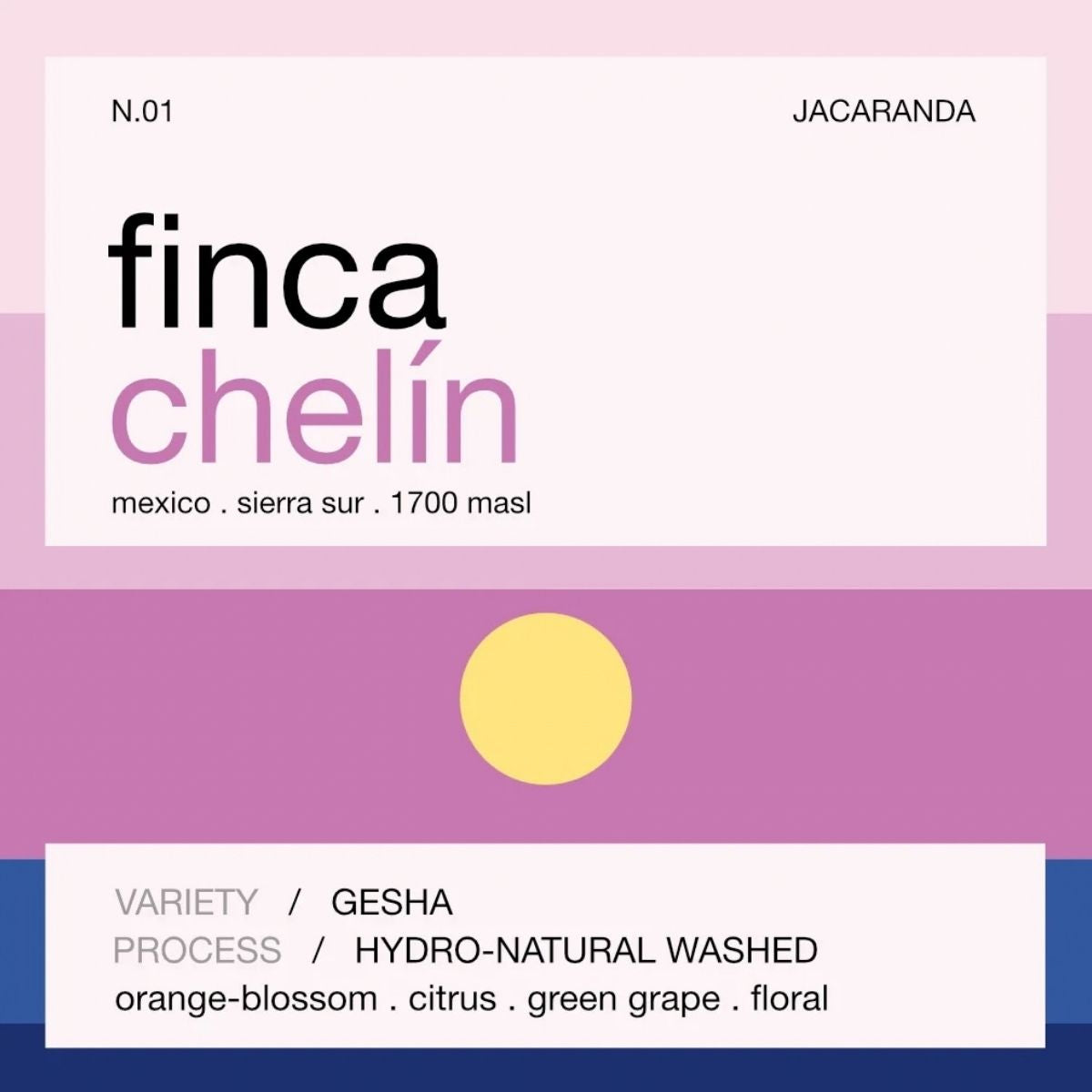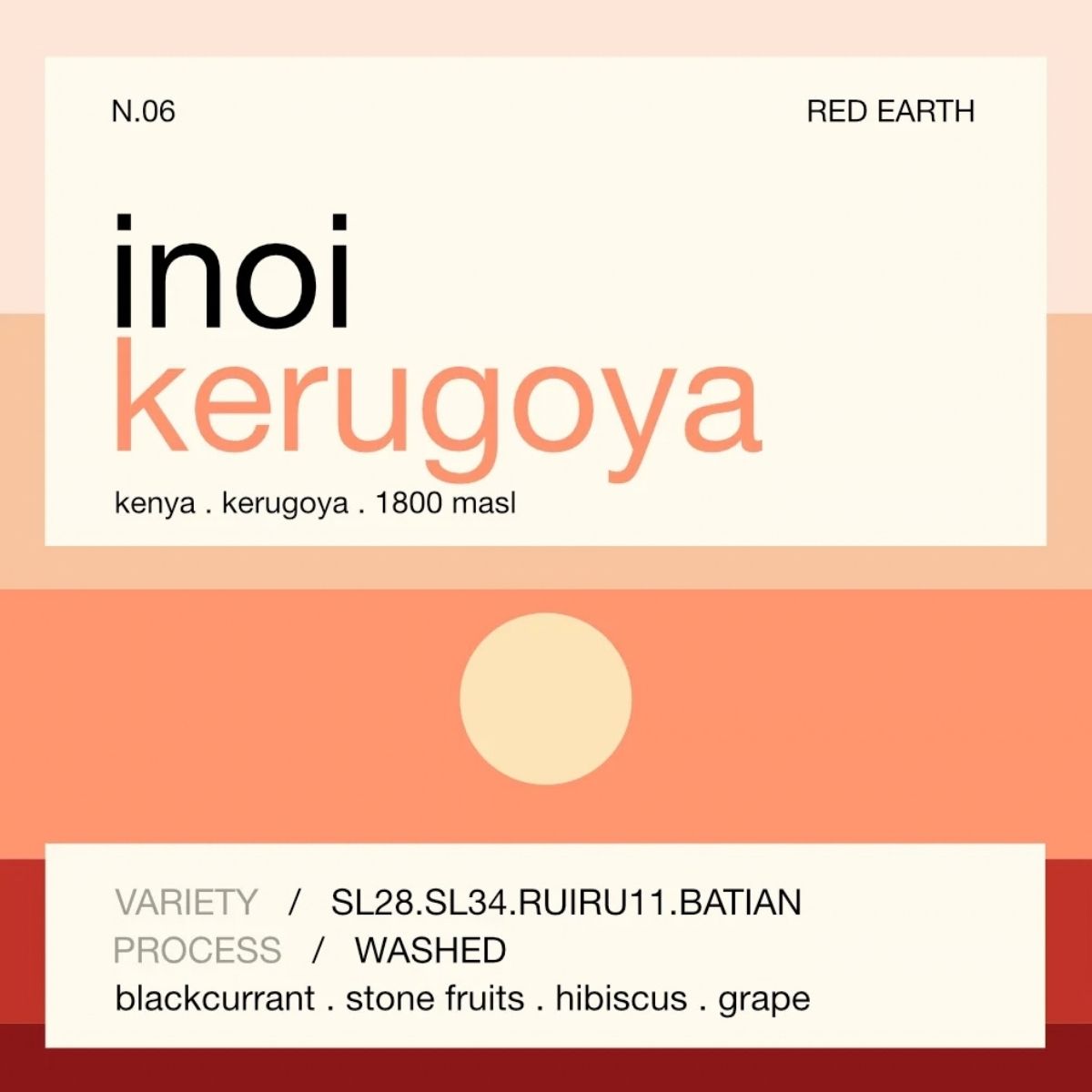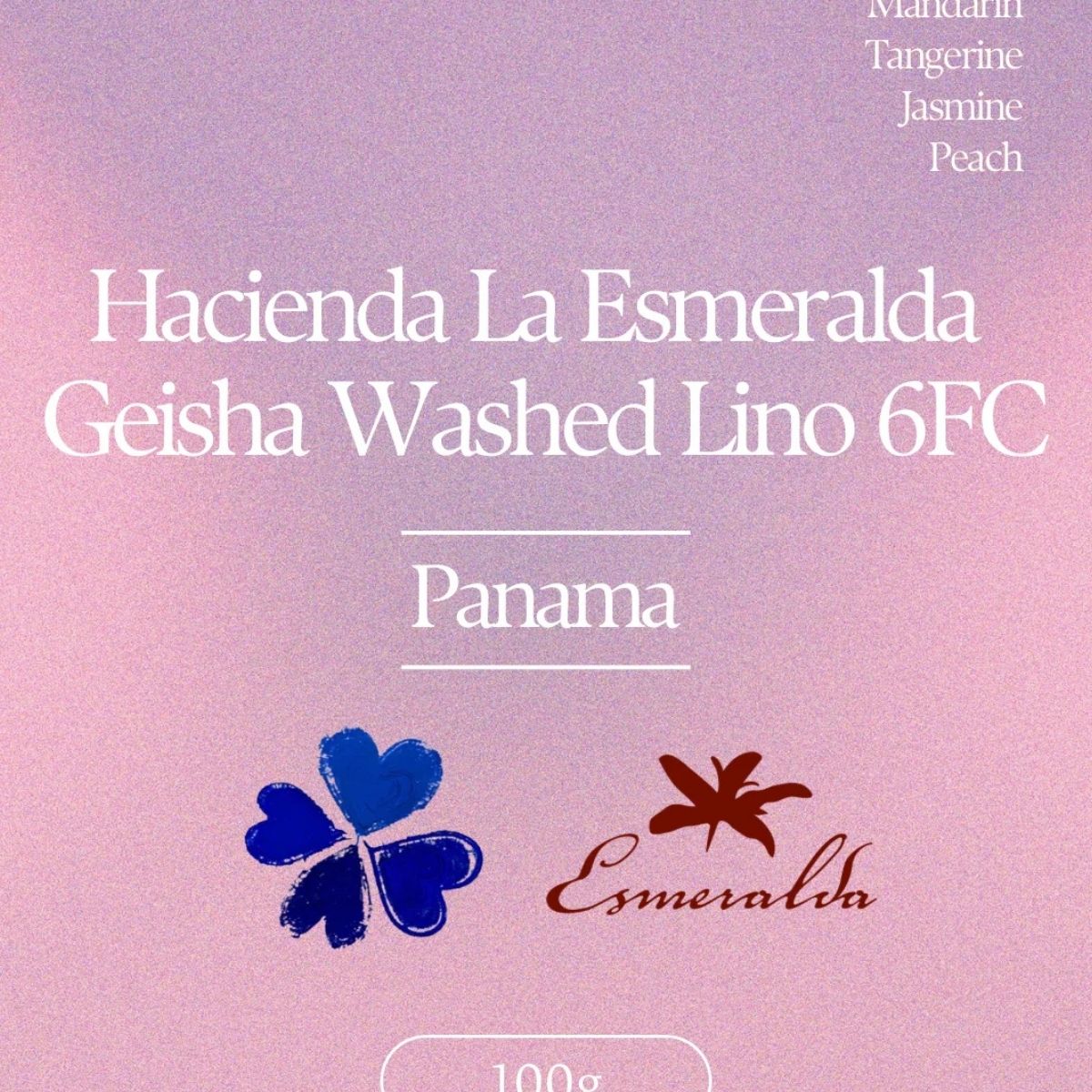

The washed process (from cherry to parchment)
Washed processing is often explained as “cleaner” coffee, but the real point is that it’s a method designed to create clarity. It starts at harvest, where washed coffees often benefit from careful picking and sorting. Ideally you want ripe cherries only, because fermentation can’t “fix” bad raw material - it only amplifies what’s already there.
After harvest, the coffee cherry is fed through a depulper, which removes the outer skin and most of the fruit flesh. But depulping alone doesn’t remove everything. At this point, the seed is still inside a protective layer called parchment, and there’s still a sticky layer of mucilage left around it.
To get rid of this mucilage, the coffee is placed inside fermentation tanks for anything between roughly 6 to 72 hours (sometimes longer, depending on the producer and climate). The fermentation creates an environment where enzymes and microbes break down mucilage so it can be washed off cleanly. This is also the stage that requires the most control. Time, temperature, cleanliness (tanks, water quality, workflow), and cherry condition (ripeness, damage, sugar levels) all influence whether the result stays clean or starts drifting into unwanted ferment notes. That’s why washed coffees can be incredibly pure… but also why a washed coffee can be ruined if fermentation runs away.
A washed coffee can be fermented with or without water. Doing it without water is often referred to as “dry fermented,” and it usually requires a shorter fermentation time, but it’s also harder to control and can become less even if the tank mass isn’t managed properly. When the coffee is fermented with water, it’s often called “wet fermented.” It tends to take longer, but the fermentation can spread out more evenly throughout the tank. For consistency’s sake, wet fermented coffees often end up easier to repeat at high quality, but excellent washed coffees can be produced with either approach when the producer knows what they’re doing.
After fermentation comes the actual washing. In practice, the coffee is transported through a long, sloped channel with a steady stream of clean water, which removes all residue from fermentation and any remaining mucilage. These channels often do double duty, because they also work as a separator. Denser coffees tend to sink and behave differently, while lower-quality or damaged coffees are more likely to float or move differently through the channel. In other words: washing isn’t just cleaning - it’s also quality control.
Many washed lots also include an optional (but common) step: soaking in clean water after the wash, sometimes for a few hours up to around a day. This can further remove residues, stabilize the coffee, and sometimes increase that “sparkle” and purity in the cup. Not every producer does it, and the effect depends on the full process, but it’s part of why some washed coffees taste so clean.
Once the coffee is clean (still in parchment), it’s dried to a stable level for storage and export. Drying is a stage where washed coffees can still be won or lost. This can be done on raised beds, on patios, or with mechanical dryers (especially in humid/rainy climates), but what matters most is control. Producers manage drying speed (too fast can stress the seed), turning frequency, heat exposure, and humidity protection - especially overnight. After drying, the coffee is stored in parchment to rest and stabilize before milling and export.
How does washed processing affect flavor?
Washed coffees typically taste cleaner and more transparent, often with less body but brighter acidity, florals, and more distinct flavors. Because they’re more transparent, it’s usually easier to spot origin character, variety differences, and roast style choices.
Washed coffees also tend to show less “boozy” or funky fermentation character. If you dislike that winey/rum-like edge some naturals or heavily processed coffees can have, washed is usually safer territory. The body is often lighter too, not always, but compared to naturals, washed coffees frequently feel more tea-like, more crisp, and less syrupy.
Some people describe washed coffees as “less complex,” but that’s often the wrong way to look at it. Washed coffees can be insanely complex, just in a different way. Instead of “fruit bomb + ferment,” complexity often shows up as layered florals, shifting citrus and stone fruit, delicate sweetness, and a long clean finish. It’s not louder. It’s sharper.
Washed vs natural
A simple way to frame it is: washed tends to emphasize clarity, structure, precision, and brightness, while natural tends to emphasize fruit intensity, round sweetness, heavier body, and more ferment risk/reward. Neither is “better.” They’re different tools for different experiences.
At Nordic Brew Lab, we love both, but washed is often the processing method that best reveals whether a coffee is truly great, because there’s less processing “makeup” covering flaws.
Explore our full coffee range here to explore a variety of coffees, including washed and natural lots.
Brew tips: how to get the best out of washed coffees
If you’re brewing washed coffees and they taste thin, too sharp, or hollow, it’s usually not the coffee, it’s the approach. Washed coffees often reward a slightly higher extraction and good water chemistry. In practice, many washed lots like slightly hotter water, especially high-density, high-altitude coffees (around 94°C is a solid starting point). They also tend to benefit from even pouring, spread between a total of 4-5 pours.
Some washed coffees are very delicate, and might require more than just good brewing - but good water chemistry. It's even extra important for these types of coffees, as they're not very intense and can be easily ruined by bad water quality. Read our article about water here to start grasping the importance of water in coffee.
At Nordic Brew Lab, we use de-mineralized water that we then re-mineralize with Apax Lab droplets to bring out the full potential of our coffees. For washed coffees in particular, Tonik and Lylac brings out more intensity of those delicate flavors, by making the mouthfeel juicer, boosting the acidity to brighter, more vibrant citrus, and enhancing the floral characters of the coffee overall.
FAQ
Is washed coffee the same as “wet-processed”? Often yes. “Washed” and “wet-processed” are commonly used interchangeably, but farms may use different fermentation setups (with or without water) while still producing a washed coffee.
Does washed coffee always mean more acidity? Often, but not always. Origin, variety, roast level, and brew water can shift the perception massively.
Can washed coffee taste fermented? Yes — if fermentation is extended or uncontrolled, or if drying/storage introduces issues. “Washed” doesn’t automatically mean “clean.” It means the intent is clean.
Final thoughts
Washed processing is the classic blueprint for clarity: depulp early, ferment to remove mucilage, wash clean, dry carefully, rest in parchment, and let the coffee speak. If you love coffees that feel bright, elegant, structured, and transparent, washed is probably your home base. It’s also the most common processing style presented by Nordic roasters like Tim Wendelboe, Koppi, April Coffee, and many more.
Want the next part? Natural processing is a completely different universe - more fruit contact, more intensity, and higher risk/reward. And yes, we’ll cover it properly.
Scroll down to the bottom of the page to see our full selection of coffee( we do offer free shipping within EU).