Brew Guides
At Nordic Brew Lab, we exclusively like to brew coffees that are light-roasted. Within the realm of light roast, we focus on Nordic Light and Ultra Light roasted coffees, which are the coffees you’ll find in our range. We believe that these two roasting styles preserve most of the quality of the raw material, while providing clarity, solubility and sweetness. Nordic Light coffees tend to have more vibrant acidity and intensity, while Ultralight coffees tend to have a softer, more tea-like and silky character.
Regardless of which style of light roast you choose, we argue that you can use them for any brew method, regardless if it’s for pour over, aeropress, French press, batch brew, espresso and so on. Although Nordic Light and Ultra Light coffees are similar, we treat them quite differently - explore that difference in our brew guide!

01
V60
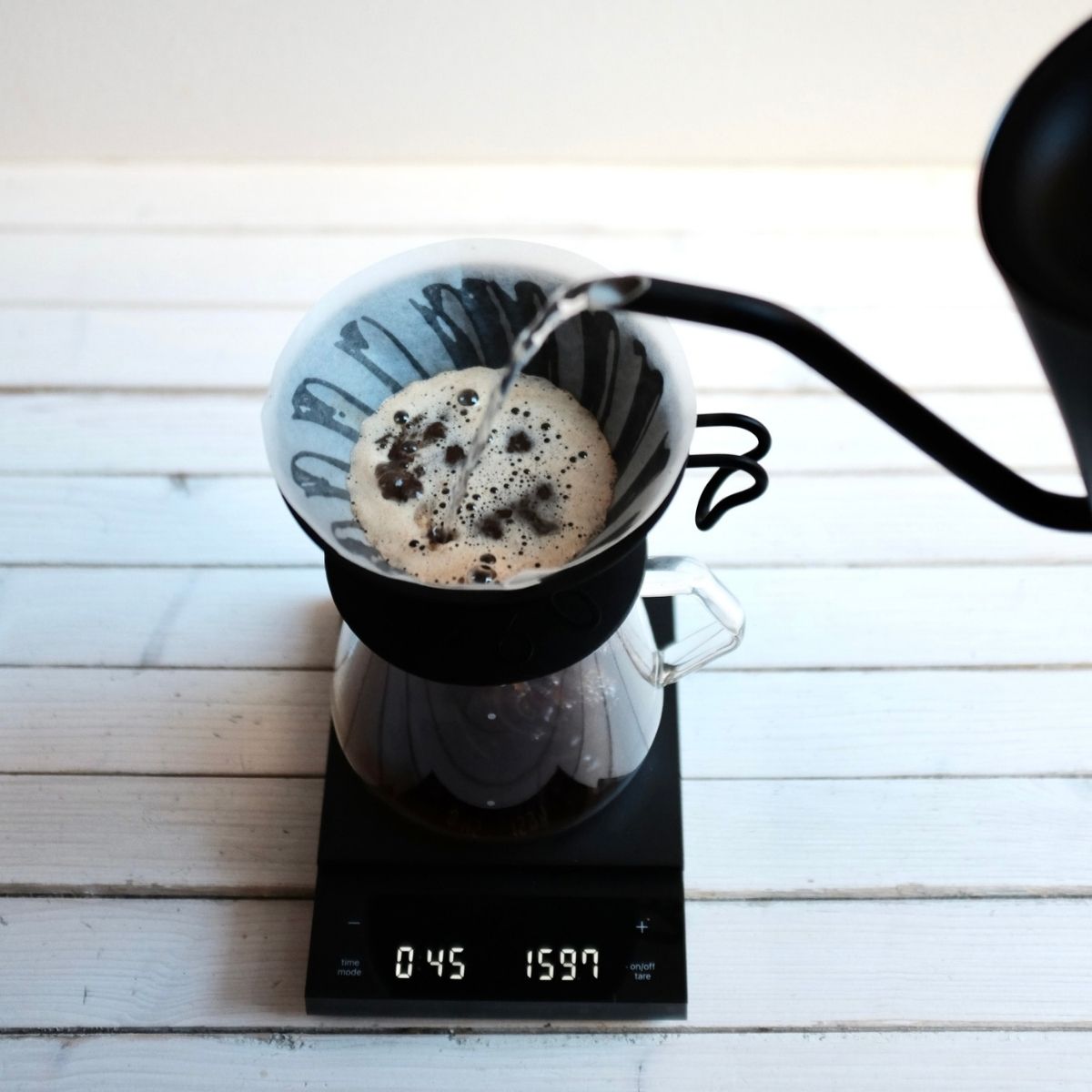
The V60 is the classic pour-over brewer, which is known for its cone-shape. We use it in our showrooms to brew coffees from our Reserve menu - for both Nordic Light and ultra light coffees.
Below is our standard recipe that we use daily
- Coffee
- 18g
- Water
- 300g (92°C)
- Total Brew time
- 02:15-02:30
Steps
- Pour up to 60g
- Pour up to 120g
- Pour up to 180g
- Pour up to 300g
Adjust the grind of your grinder to get to the correct brew time, if it’s running too slow, grind coarser. If it’s running too fast, grind finer.
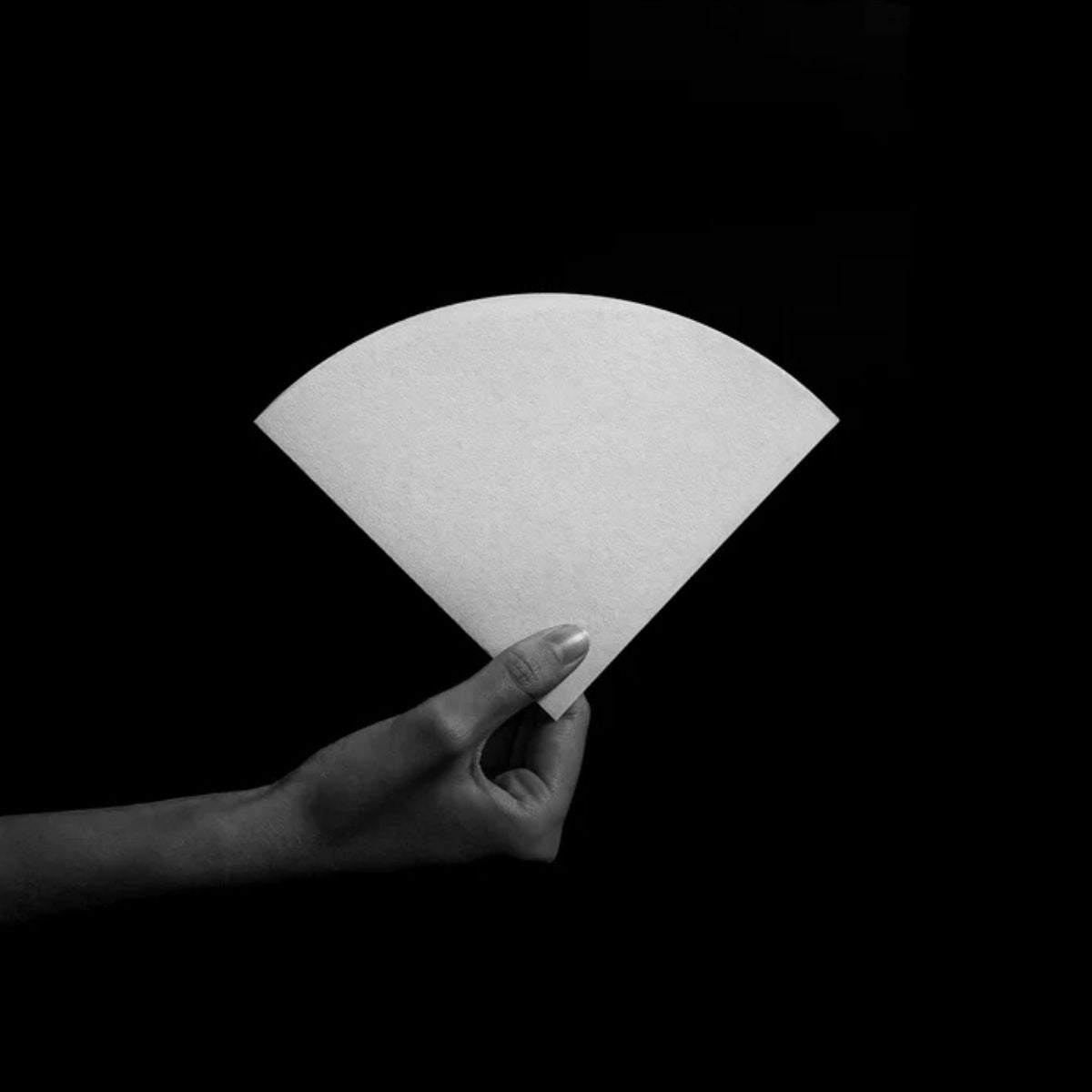
We use FAST Filters from Sibarist, which promotes a faster flowrate resulting in a quicker drawdown. If you use traditional V60 filters with a slower flow rate, expect the brew time to land around 02:30-03:00 when using this recipe.
Nordic Light
For Nordic Light coffees, we tend to start with 94°C for washed coffees, and 90-92°C for natural and anaerobic natural coffees. In some cases where the coffee has gone through an intense fermentation, we lower the temperature to 88°C.
The higher temperatures helps to bring out more brightness and florals out of the cup, while the lower temperature helps with bringing out sweetness, improve texture and reducing dryness.
We recommend resting Nordic Light Coffee for at least 2-3 weeks before brewing, to allow the coffee to settle and open up.
Ultra Light
For ultra light coffees, we tend to always stay between 92-94°C regardless of the process. Ultra light coffees are less soluble, so it’s harder for the water to extract flavor - which is why this recipe works great for ultra lights. By spreading out each pour with 30 seconds between, we maximize the extraction of each pour, ensuring that the water fully runs through the bed before the next pour is added.
For Washed coffees, we push it to 94°C to get more flavor clarity, and 92°C for natural and fermented coffees. Sometimes, ultra-lights can have an astringency/dryness to them, which can be reduced by lowering the temperature 2°C.
When brewing ultra-light roasted coffees, we recommend waiting 6-8 weeks minimum to get the most out of those coffees, as they need a significantly longer resting time to settle and open up.

02
Orea Baby-O
The Orea Baby-O is a smaller, flat bed dripper that is designed for smaller doses of coffee. We use it daily for our Competition-coffees behind the bar.
Below is our brew recipe for the Baby-O
- Coffee
- 12g
- Water
- 200g (92°C)
- Total brew time
- 02:30-02:45
Steps
- Pour up to 40g
- Pour up to 90g
- Pour up to 140g
- Pour up to 200g
We use Fast Filters from Sibarist for the Baby-O, which has a faster flow rate compared to traditional filters. If you use any other standard-filter with the Baby-O, expect the brew time to land between 02:45-03:00 to get a balanced brew with this recipe.
Nordic Light
For Nordic Light coffees, we tend to start with 94°C for washed coffees, and 90-92°C for natural and anaerobic natural coffees. In some cases where the coffee has gone through an intense fermentation, we lower the temperature to 88°C.
The higher temperatures helps to bring out more brightness and florals out of the cup, while the lower temperature helps with bringing out sweetness, improve texture and reducing dryness.
We recommend resting Nordic Light Coffee for at least 2-3 weeks before brewing, to allow the coffee to settle and open up.
Ultra Light
For ultra light coffees, we tend to always stay between 92-94°C regardless of the process. Ultra light coffees are less soluble, so it’s harder for the water to extract flavor - which is why this recipe works great for ultra lights. By spreading out each pour with 40 seconds between, we maximize the extraction of each pour, ensuring that the water fully runs through the bed before the next pour is added.
For Washed coffees, we push it to 94°C to get more flavor clarity, and 92°C for natural and fermented coffees. Sometimes, ultra-lights can have an astringency/dryness to them, which can be reduced by lowering the temperature 2°C.
When brewing ultra-light roasted coffees, we recommend waiting 6-8 weeks minimum to get the most out of those coffees, as they need a significantly longer time to settle and open up in flavors.

03
Espresso
Below is our base-recipe that we use to brew Light roasted espressos (Nordic Light), but espresso is quite a complex topic and requires very different approaches depending on the coffee you’re brewing, so we recommend that you take further look below on our different styles of espresso.
All coffees that we serve are roasted for filter, which make them less soluble than a traditional espresso roast. With that said, the coffee preserve significantly more flavor quality and complexity this way, but requires a different approach to brewing compared to traditionally darker espresso roasts. We recommend reading our entire espresso brew guide before picking your recipe.
Nordic Light
Brewing Nordic Light Espresso
- Coffee
- 17g
- Brew ratio
- 2.5-3:1
- Water
- 40-50g
- Brew time
- 22-26 seconds
This recipe works well for Nordic Light Coffees, to give a high intensity, silky texture and a smooth mouthfeel. However, if you prefer a lighter, more tea-like espresso with more brightness and less intensity, a Turbo Shot also works well (see our Ultra Light Recipe).
Resting time: we recommend letting the coffee rest at least 3-4 weeks before brewing on espresso. If brewing earlier than that, the carbon dioxide that is still bound to the coffee tends to cause channeling, leading to a sharp and metallic espresso.
Ultra Light
Ultra Light Espresso
- Dose
- 17g
- Yield
- 45-50g
- Brew ratio
- 3:1
- Brew time
- 12-14 seconds
Ultra Light Roasted coffee is the least soluble roast, meaning that it’s harder to get the flavors out of the bean compared to other roasts. For Ultra Light espressos, we find that a turbo shot tends to work better. Here, we extract less from the coffee compared to our standard recipe, because longer brew times tend to bring out a very unpleasant sour acidity and astringency. By doing a turbo shot, we get a smooth espresso, with a juicier and tea-like character.
One benefit of doing turbo shots, is that the coarser grind size for the faster brew time is more forgiving to fresh coffees, so channeling isn’t as easy to occur as with a finer grind for a more compact espresso.
We recommend resting the coffee at least 6-8 weeks when it’s Ultra light, as all the carbon dioxide that’s bound to the coffee during roast tend to cause channeling, resulting in a sharp and metallic flavor.
Extract chilling with the Paragon
At Nordic Brew Lab, we always apply extract chilling to our espressos: the process of brewing the coffee directly on top of frozen, titanium-coated metal balls.
The aromas in coffee are volatile, and up to 40% of them evaporate into the air before we even taste the coffee. By rapidly cooling down the first part of the espresso coming out, we capture those aromatic compounds, resulting in an espresso with a silkier texture, more defined flavors and a cleaner aftertaste. People often perceive espresso with extract chilling as having little to no bitterness compared to the version without.
Extract chilling is noticeable even on washed, ultra light coffees, and even more noticeable on coffees with a high amount of volatile compounds, such as naturals or anaerobic naturals.

04
The BIRD & Roadrunner by Weber Workshops
Bird is short for Brewing In Reverse Direction. It is not a French press, but a brewer of its own that utilizes immersion and zero-bypass percolation. The result is a sweeter brew, with a richer texture than a pour-over, and higher clarity than an Aeropress. The Roadrunner works exactly the same, but is smaller in size and made out of plastic.
Recipe
- Coffee
- 20g (ground coarsely)
- Water
- 300g (94°C)
Steps
Before brewing, place the filter in the brewer and push to the bottom.
- Add all the water at once (300g) but do not agitate yet.
- Do a few agitations with the agitator to break the crust on top of the coffee bed.
- Pull up the filter by screwing the piston. This is now creating percolation and filters the brew through the filter.
For the Roadrunner, you can apply the same recipe.
Nordic Light
We tend to use the same recipe regardless of the coffee we’re brewing, as most of the brewing process is simply immersion. We use 94°C for all coffees, since we’re never re-introducing any hot water and pour all the water at once, as the brew will naturally cool down during the 4 minutes.
We recommend resting Nordic Light Coffee for at least 2-3 weeks before brewing, to allow the coffee to settle and open up.
Ultra Light
We tend to use the same recipe regardless of the coffee we’re brewing, as most of the brewing process is simply immersion. We use 94°C for all coffees, since we’re never re-introducing any hot water and pour all the water at once, as the brew will naturally cool down during the 4 minutes.
When brewing ultra-light roasted coffees, we recommend waiting 6-8 weeks minimum to get the most out of those coffees, as they need a significantly longer resting time to settle and open up.

05
Hario Switch
The Hario Switch is a V60 with a built in valve, that allows you to completely stop the flow of water. The benefit of this is that you combine percolation brewing with immersion.
Here’s a recipe that works very well with our Nordic Light and Ultra Light Coffees
- Coffee
- 16g (coarse grind)
- Water
- 220g (92°C)
- Total Brew time
- 02:20
Steps
Start the brew with an open valve.
- Add 60g
- Add 60g
- Close the valve and add 100g of water
- Open the valve
This recipe is forgiving, as the impact of the grind size becomes a less important variable compared to using a regular V60 recipe, as you can control the contact time between water and coffee using the valve.
We use FAST Filters from Sibarist for this recipe, which promotes a faster draw down of water compared to traditional filters. If using traditional filters, expect a brew time between 02:30-03:00.
Nordic Light
We recommend resting Nordic Light Coffee for at least 2-3 weeks before brewing, to allow the coffee to settle and open up.
Ultra Light
When brewing ultra-light roasted coffees, we recommend waiting 6-8 weeks minimum to get the most out of those coffees, as they need a significantly longer resting time to settle and open up.

06
Water is one of the most important variables
A cup of filter coffee consists of more than 98% water. Only focusing on the beans and the gear, while not paying attention to the water is one of the biggest barriers of great coffee. We believe that all coffees deserve to be brewed with good water.
Starting point
For brewing water, we recommend a base of 60ppm to brew all coffees - you can then choose to re-mineralize your water up to 120 ppm if desired.
However, for the style of coffees that we enjoy at Nordic Brew Lab, we found that a water that sits between 60-90 ppm gives the best results, meaning a cup with high clarity, integrated acidity and a long aftertaste.
What inside the water affects my brew?
In coffee, we talk about hardness, there’s General Hardness (GH) and KH (Carbonate Hardness) - for pour over, the KH is more relevant factor. Inside water, there’s lots of minerals such as calcium, magnesium, potassium, sodium, sulfates and many more - the most important ones are calcium and magnesium.
Magnesium tends to draw out flavor compounds that we associate with fruitiness in coffee, which means that it can enhance the perceived acidity and make the coffee a bit brighter. A touch of magnesium helps giving the coffee ‘’a lift’’. A little more, and the fruity flavors become more pronounced. Too much, and the acidity becomes too intense, reminiscent of Tonic Water, grapefruit peel or grapeseed.
Calcium on the other hand, doesn’t draw out the same acids, but instead increases the perceived sweetness and mouthfeel. Therefore, a combination of both is often needed to give the coffee the best flavor result.
Buffer capacity
Both Magnesium and Calcium exist in different forms, but are always bound to bicarbonates. These molecules, also affect the buffer capacity of the water - which is another crucial detail.
If the buffer is too low, very little acids will be neutralized in the brew, resulting in an excessively sharp acidity that’s out of balance. If the buffer capacity is too high, the water will neutralize or kill off too much acidity, making the coffee taste flat, and muting the fruity flavors, which often lead to a flat, dry and underwhelming cup without clarity.
So, with coffee brewing water, the alkalinity itself matters, and also the relation between magnesium and calcium.
How we mineralize our water
At Nordic Brew Lab, we don’t use these minerals in isolated forms, but instead rely on Apax Lab mineral droplets to customize the mineral profile to the specific coffee we’re brewing.
Apax Lab have these same minerals, calcium, magnesium, potassium and sodium blended together in different ratios, to help highlight different characteristics in coffee.
Our recommendation for home brewers
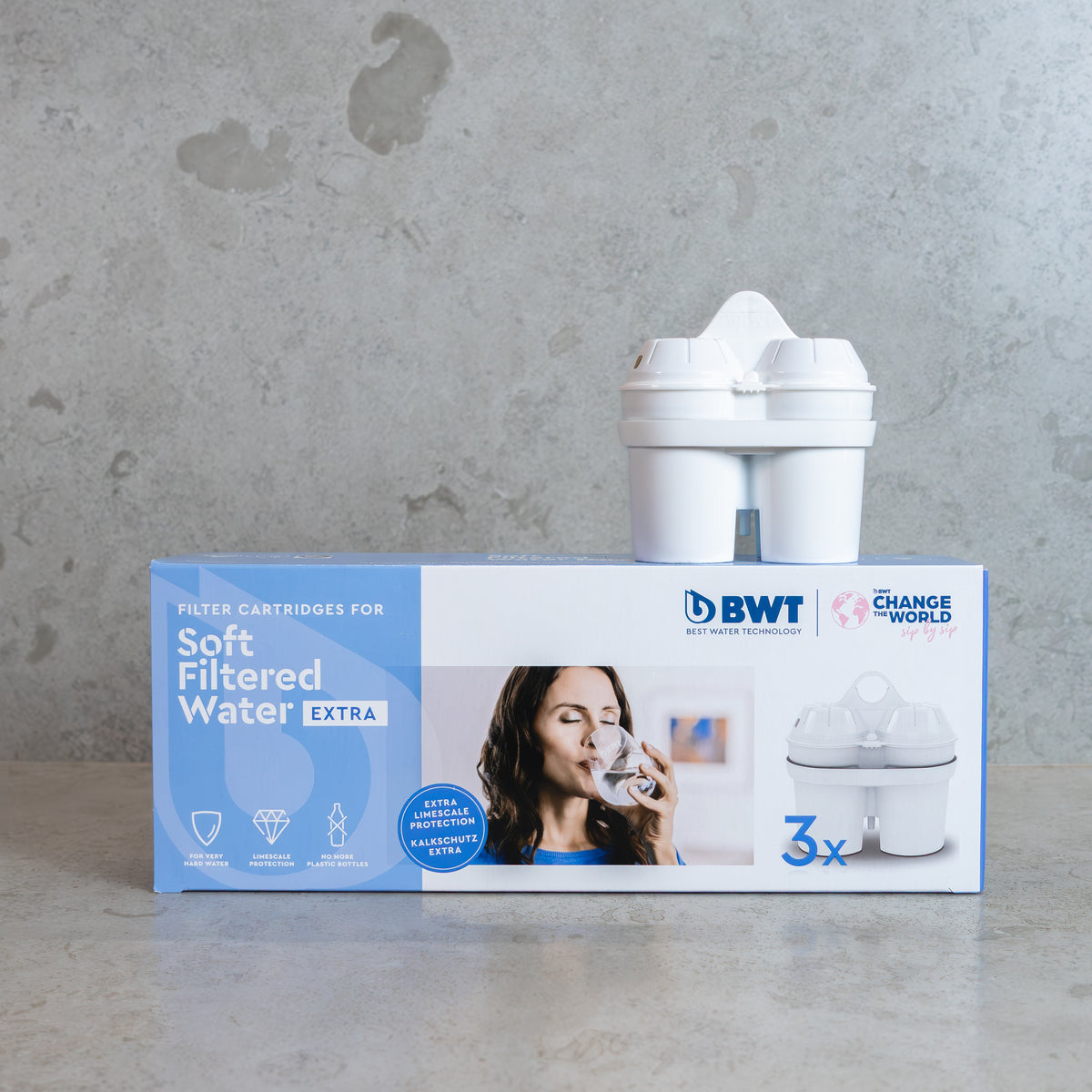
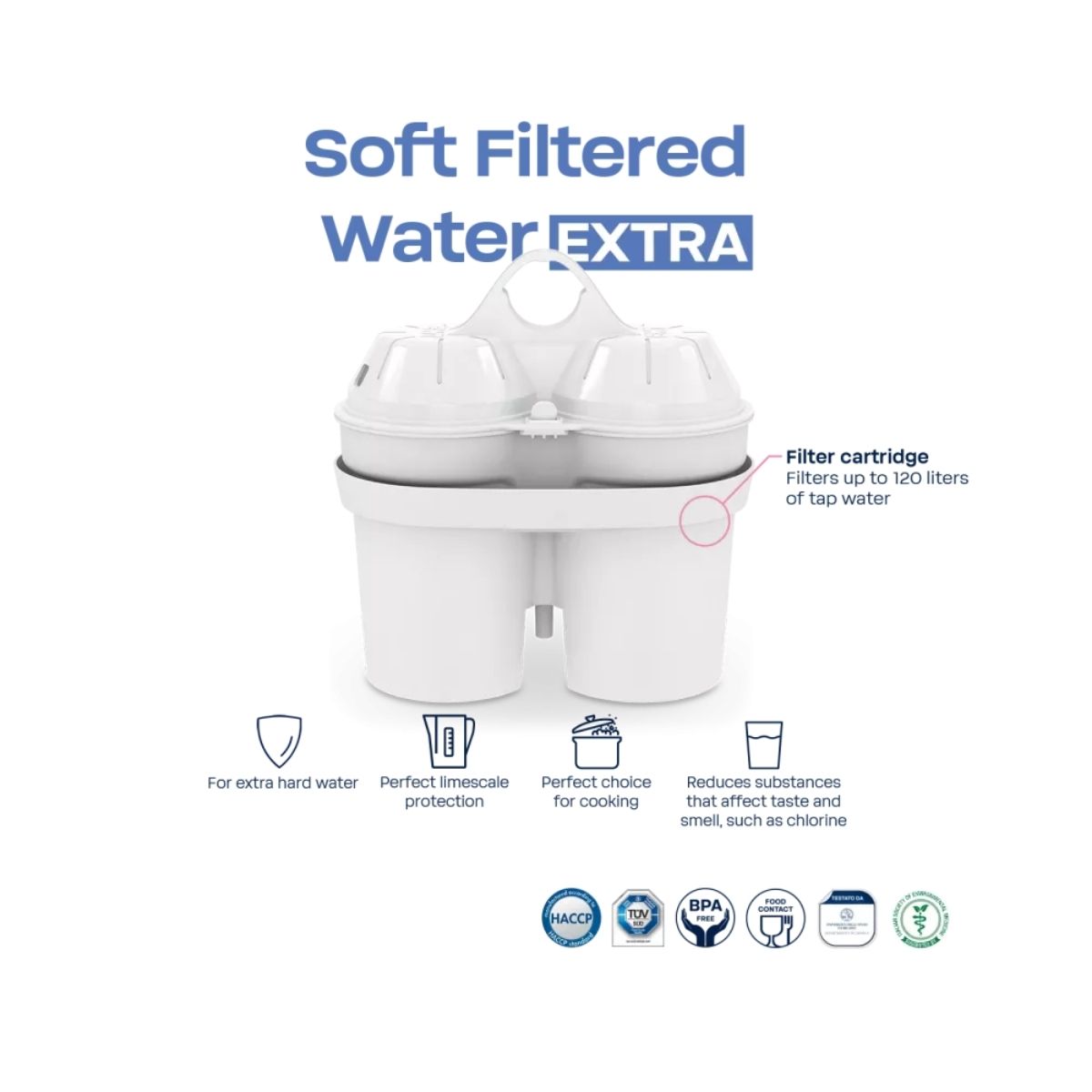
For home brewers, we recommend to at least use a simple water softener to reduce the alkalinity of the water, which will result in more clarity in your coffee. If you want to go an extra step to fully tailor your water to your coffee, we recommend getting a Zerowater jug or use RO-water, and then mineralize it with Apax Lab.
Our water tutorial
The recipes we use in our showrooms and how to make them yourself.
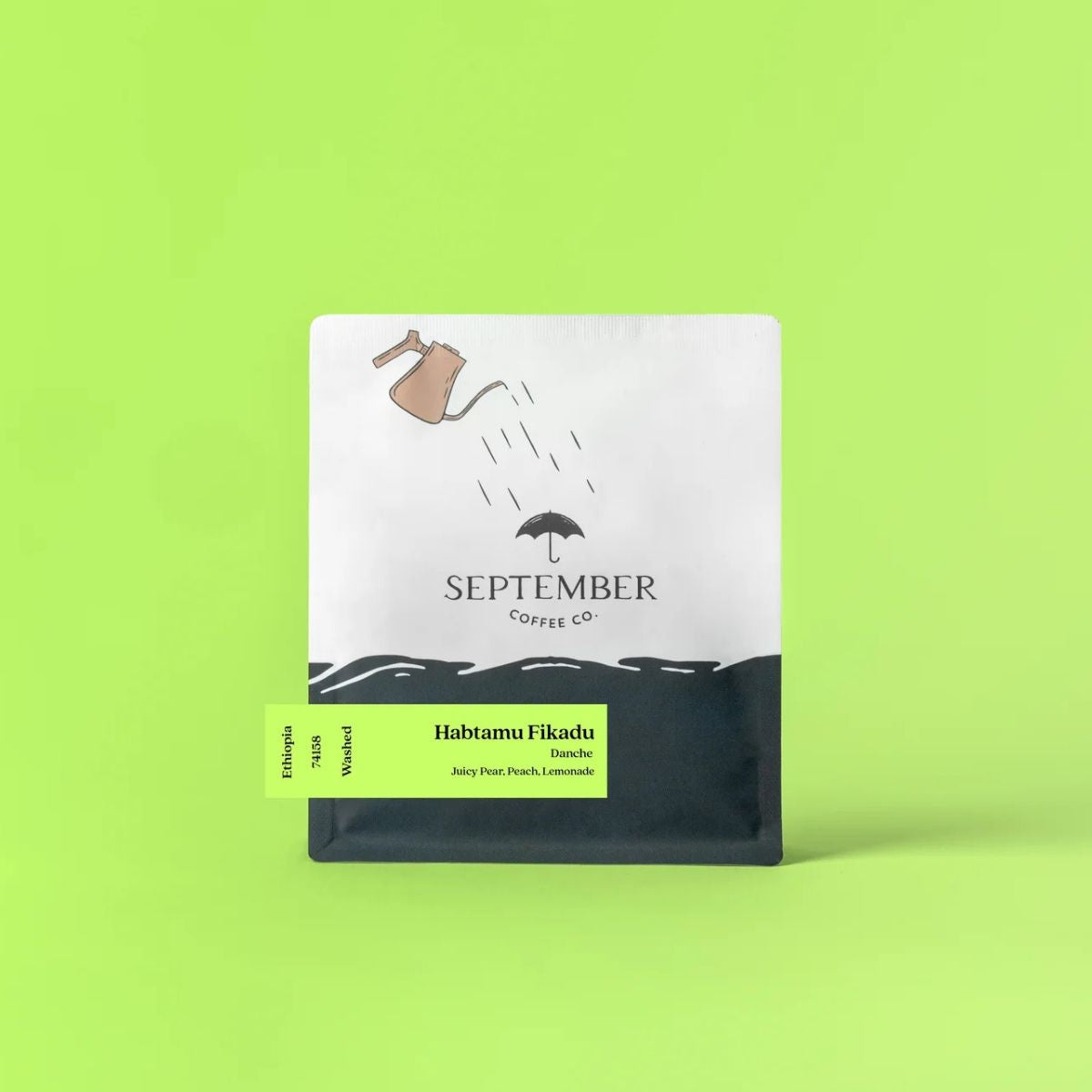
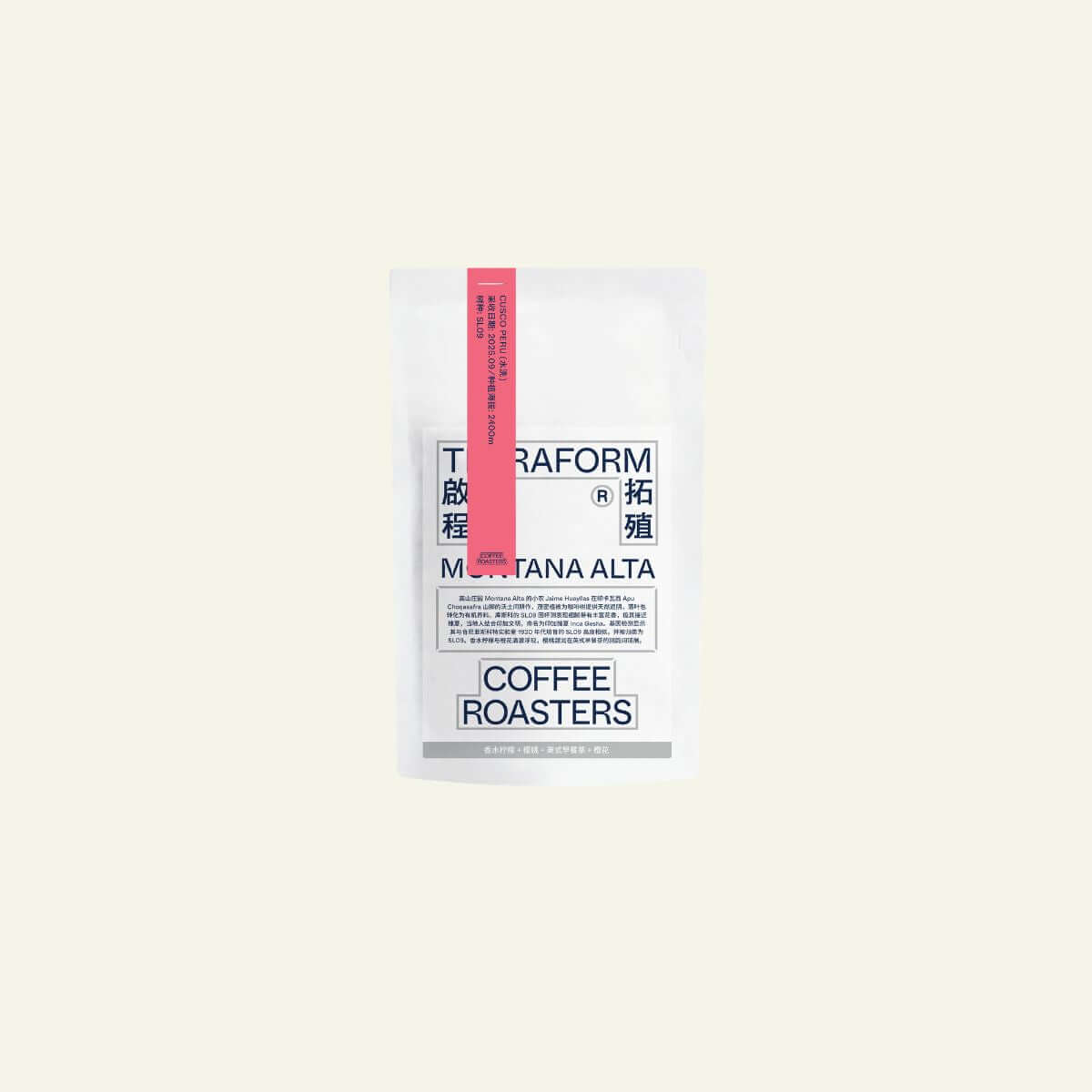
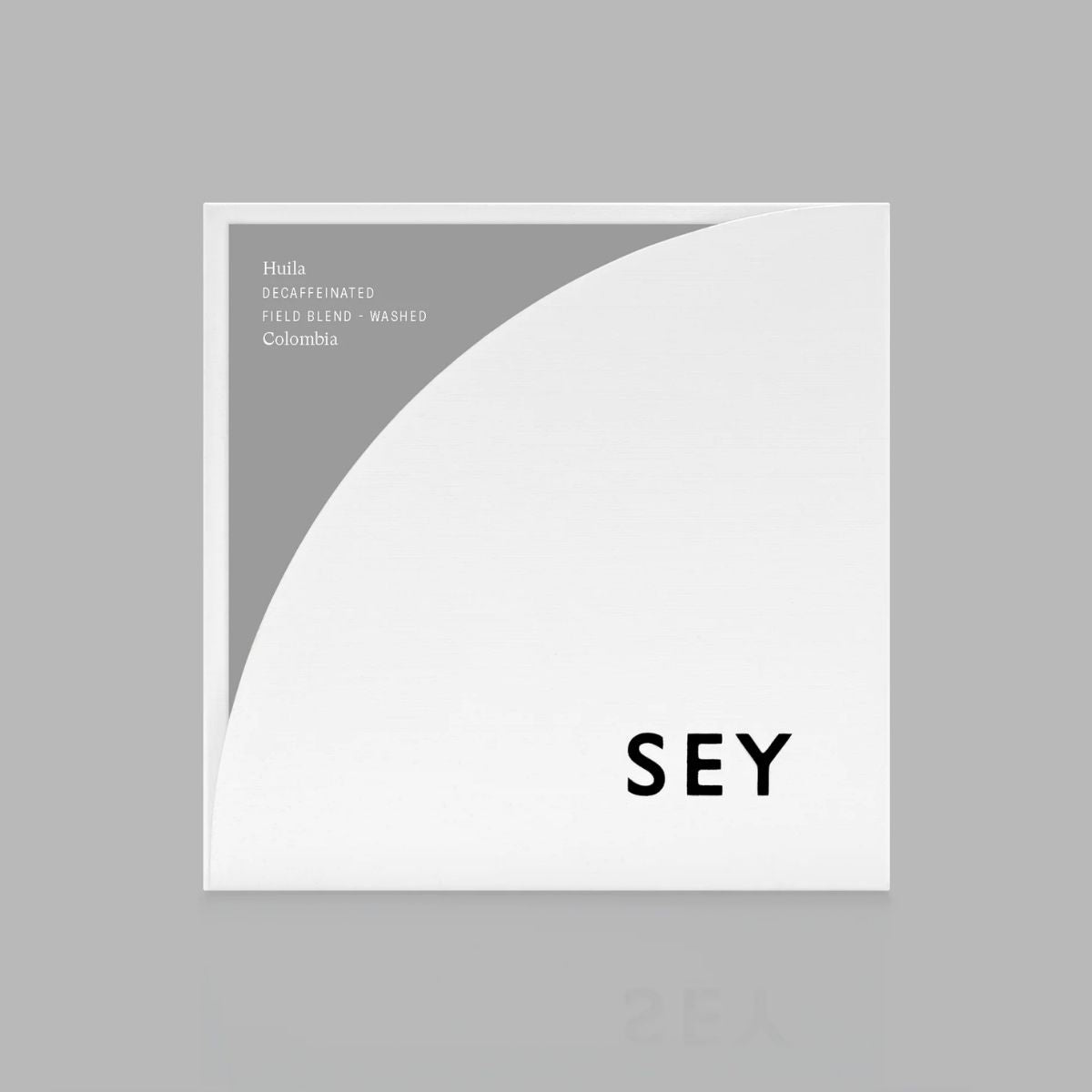
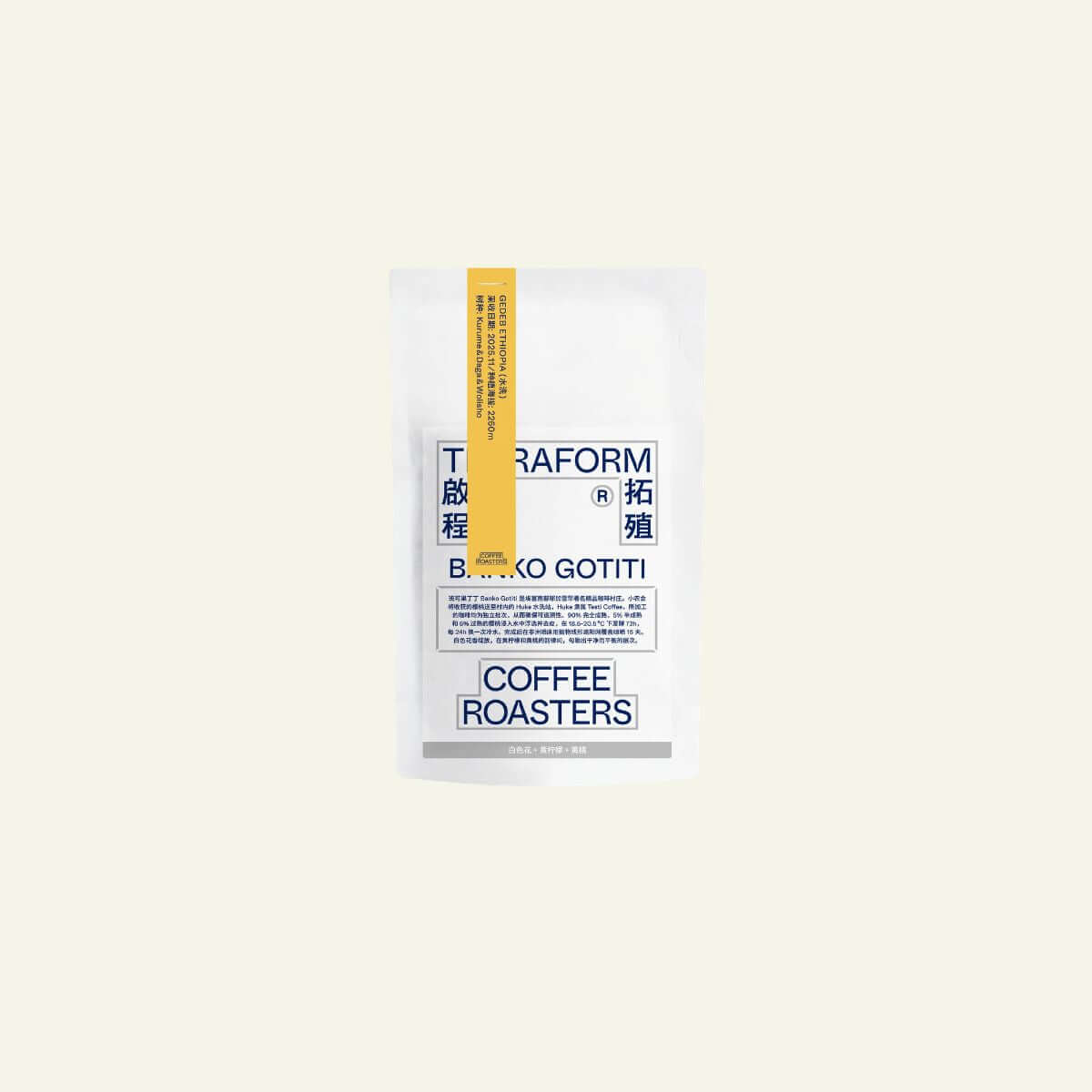
Looking for some beans to brew?



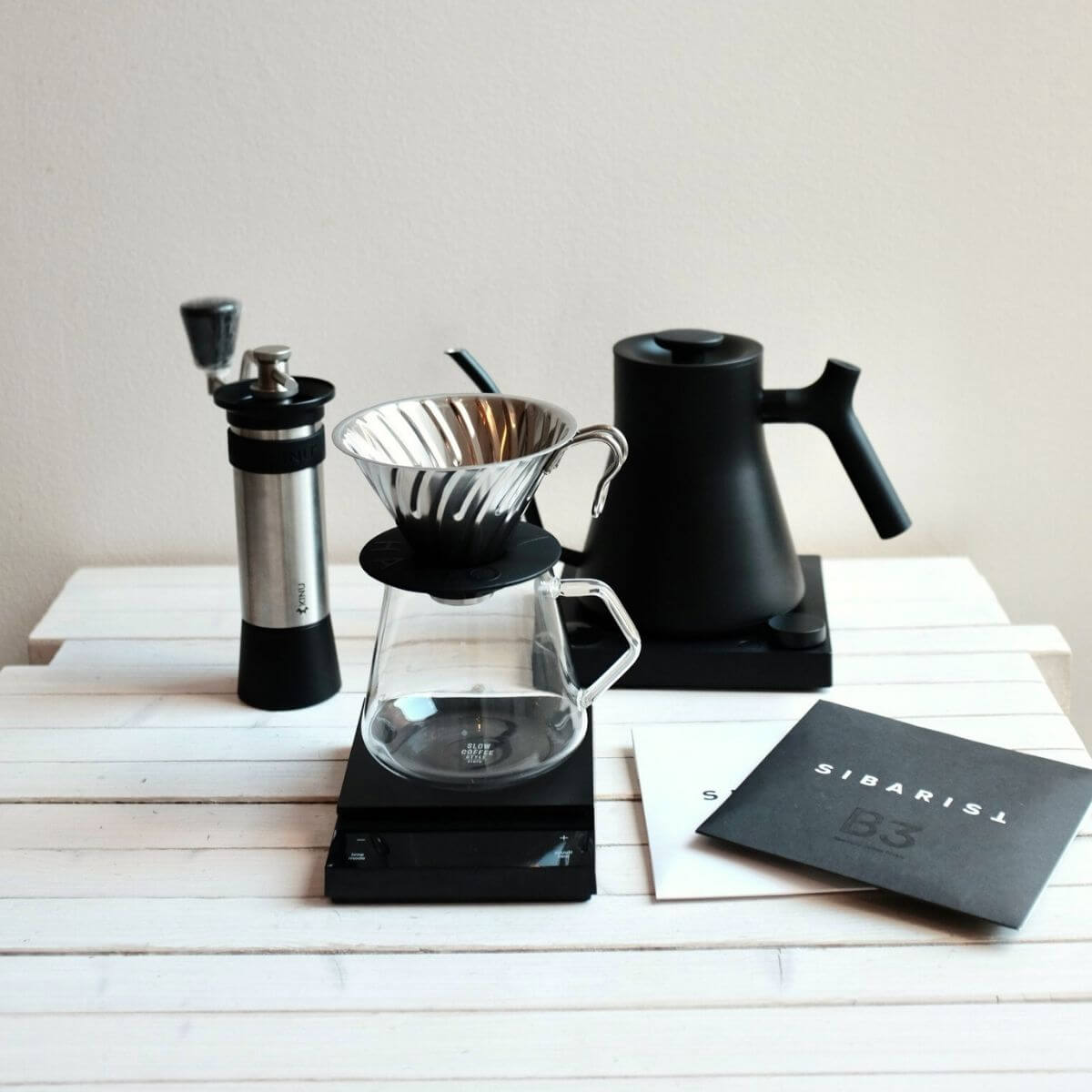
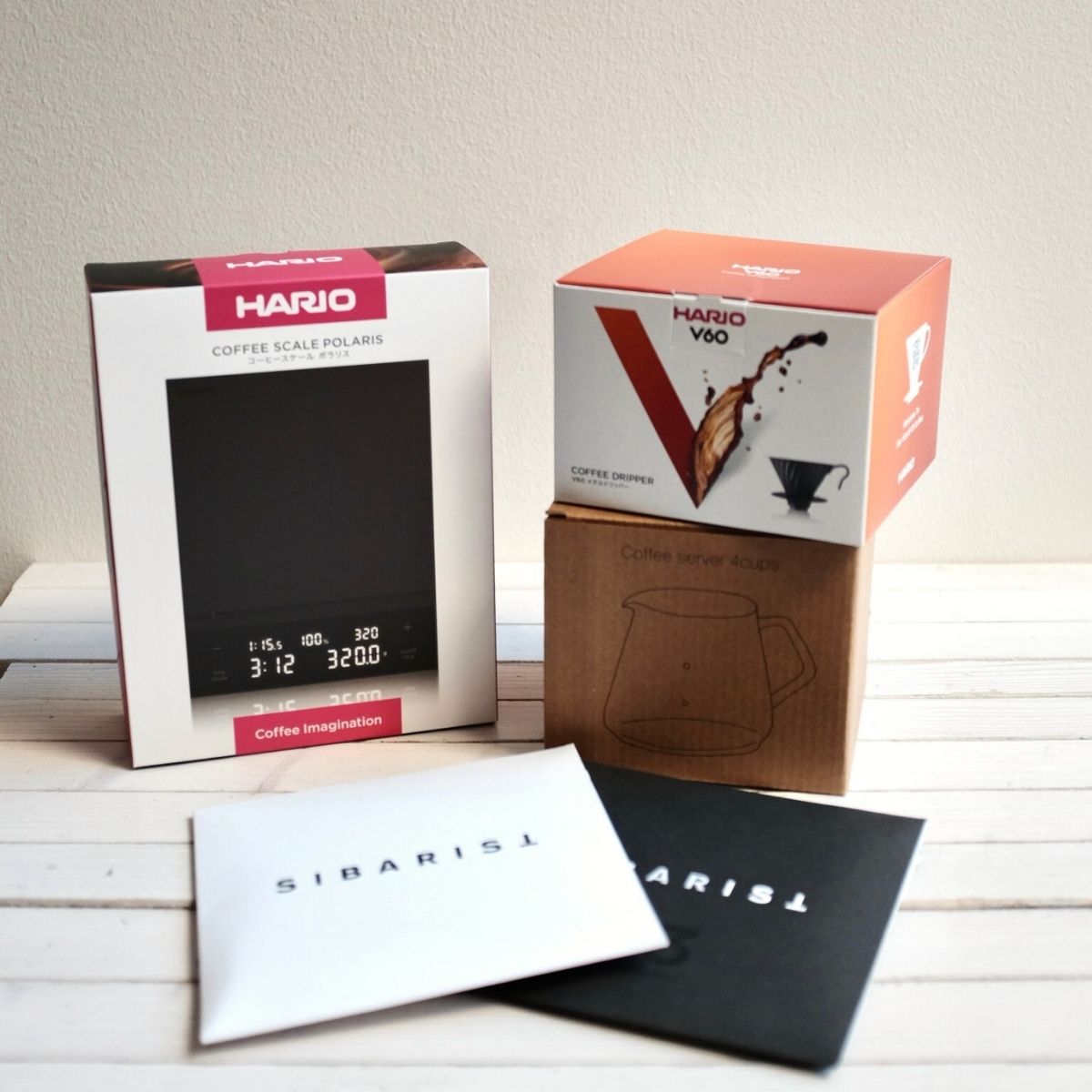
Brew gear and brewing sets


Nordic Brew Club
Taste our brew recipes with our subscription coffees
Each month, a coffee we've tasted and selected by hand, from Nordic, European and international roasters. Choose Reserve for a dependable rotation of the season's best, or Rare + Exclusive for the limited releases we set aside for those who want to go deeper into Nordic Light and Ultra Light roasting styles.
Reserve Subscription
For brewers who want consistently great coffee every month.
- 2 carefully curated coffees (roughly 2 × 250g bags)
- First order ships within a week
- Pause or cancel anytime
- A rotation of Nordic, European and International roasters
- Prepay 6 months and get one month free
Rare + Exclusive
For brewers who want to go deeper — limited lots, competition-level releases.
- 2 carefully curated coffees + 1 Rare & Exclusive release
- First order ships within a week
- Pause or cancel anytime
- A rotation of Nordic, European and International roasters
- Prepay 6 months and get one month free
Curated by Sweden's most decorated coffee team: Swedish Barista Championship & Brewers Cup finalists Pierre Tymms & Håkan Sävlind, and home to Julia Bergenstrle, Sweden's 2026 Best Barista.